A well-developed EV charging ecosystem with smart grids and DSM strategies offers a multitude of benefits
The electric vehicle (EV) revolution is gaining momentum, driven by environmental concerns and technological innovations. However, integrating a growing number of EVs with the power grid presents challenges due to the intermittent nature of renewable energy sources when the grid works on stable inputs. Yet smart grids have started to emerge as a solution, harnessing advanced technologies to optimise the synergy between EVs and renewables.
Current State of the Smart Grid Market
Research and Markets projects a robust growth trajectory for the smart grid market, with a projected CAGR of 17.76%. By 2026, the market is expected to reach a substantial valuation of $92.107 billion, up from $29.336 billion in 2019. This significant expansion is attributed to the increasing adoption of innovative smart grid technologies worldwide. The advanced metering infrastructure segment is poised for significant expansion, driven by the widespread adoption of smart grid technologies. Governments, particularly in developing and emerging economies, view smart grids as strategic infrastructure investments essential for long-term economic development and achieving carbon emission reduction targets.
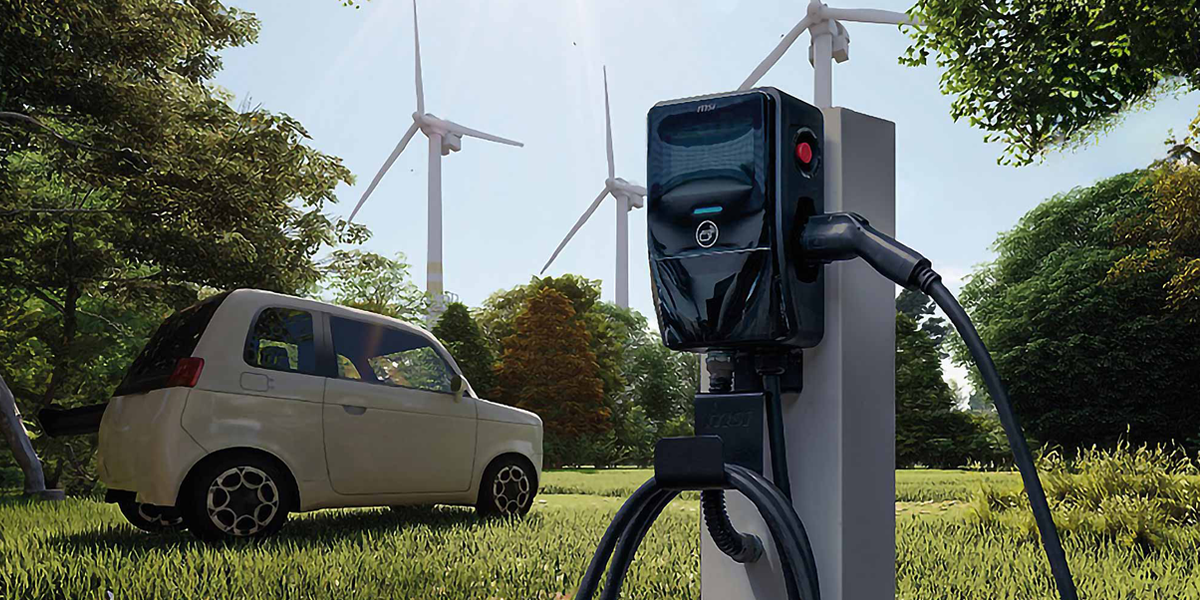
 Fig 1: A fast-charging station. Image by Electric Era
Challenges in Charging Electric Vehicles
Charging EVs presents challenges such as grid strain during peak periods and the need for efficient energy management. Without proper planning and infrastructure, simultaneous charging of numerous EVs can overload the grid. Smart grids mitigate these challenges through intelligent charging algorithms and load management techniques.
Smart grids and two-way street smart grids offer a solution by introducing a two-way communication between the grid and its components, including EV chargers. This communication allows for real-time monitoring, dynamic control, and integration of various elements. Here’s how smart grids empower an efficient EV charging ecosystem:
Demand Response Programs: Smart grids enable utilities to implement demand response programs. These programs incentivize EV owners to charge their vehicles during off-peak hours (typically nights) when electricity demand is lower. This can be achieved through time-varying /time-of-day (ToD) electricity rates, where charging during off-peak hours is cheaper.
Grid Stability and Power Quality: Smart grids employ advanced monitoring and control systems to ensure grid stability when integrating a large number of EVs. These systems can dynamically manage the charging load, balancing power supply and demand in real-time. This not only prevents blackouts but also helps maintain consistent power quality for all users.
Integration with Renewables: The rise of renewable energy sources like solar and wind power is crucial for a sustainable future. However, these sources are intermittent by nature. Smart grids can optimise EV charging based on real-time renewable energy availability. For instance, EVs can be charged during periods of high solar or wind power generation, further reducing reliance on traditional power plants.
Demand-Side Management: Optimising charging behaviour DSM is a set of strategies that encourage consumers to modify their electricity usage patterns. In the context of EV charging, DSM focuses on shifting charging away from peak hours. Here are some key DSM strategies for EV charging:
- Smart Charging Stations: These stations communicate with the grid and automatically adjust charging rates based on grid conditions and user preferences. For instance, a station could prioritise slower charging during peak hours and offer faster charging options during off-peak hours.
- Vehicle-to-Grid (V2G) Technology: V2G technology allows EVs to act as distributed energy storage units. When plugged in, EVs can not only receive but also feed power back to the grid during peak demand periods. This not only helps stabilise the grid but also creates a potential revenue stream for EV owners.
- Home Energy Management Systems (HEMS): HEMS can integrate EV charging with other household appliances. By monitoring overall home energy consumption, HEMS can optimise EV charging to minimise peak demand and potentially reduce electricity bills.
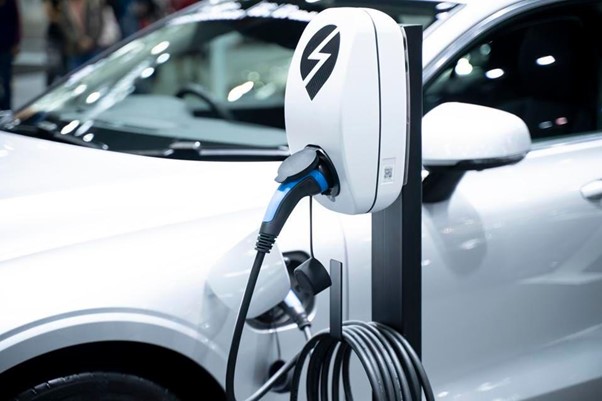 Fig 2: An electric vehicle charging point. Image Getty
Benefits of a Smart EV Charging Ecosystem
A well-developed EV charging ecosystem with smart grids and DSM strategies offers a multitude of benefits:
- Reduced Grid Strain: By shifting charging away from peak hours, the grid experiences less stress, lowering the risk of blackouts and the need for expensive grid upgrades.
- Cost Savings: DSM programs and time-varying electricity rates can incentivize off-peak charging, leading to lower electricity costs for both utilities and EV owners.
- Integration of Renewables: Smart charging based on renewable energy availability can maximise the use of clean energy sources, reducing reliance on fossil fuels and promoting a more sustainable grid.
- Enhanced Grid Resilience: V2G technology allows EVs to act as distributed energy storage, providing additional grid stability and resilience during outages or other disruptions.
Challenges and the Road Ahead
Despite the numerous benefits, implementing a smart EV charging ecosystem faces certain challenges:
- Infrastructure Investment: Modernising the grid infrastructure with smart technologies requires significant investments. Collaborative efforts between governments, utilities, and private companies are essential.
- Standardisation: Standardisation of communication protocols and data formats across different charging stations and vehicles is crucial for seamless integration within the smart grid.
- Consumer Behaviour: Encouraging widespread adoption of DSM programs and smart charging practices requires effective communication and education for consumers.
Conclusion
In addition to the challenges mentioned above, cybersecurity considerations and supportive government policies are also crucial for a robust smart grid ecosystem. As technology advances and governments worldwide prioritise sustainable transportation, smart grids will continue to evolve, shaping the future of transportation towards a cleaner and more efficient tomorrow.
Manjula Girish is the Business Head - EV Charging and Photovoltaic Inverter division of Delta Electronics India

