Government support, reduction in taxes, slashing interest rates of loans and initiating pilot projects can fasten the pace of E-Tractor adoption in the country
India has set an ambitious climate target of achieving net -zero by 2070 and one of the crucial ways of getting there is to curb greenhouse gas emissions through innovative and clean solutions. Predominantly an agricultural-based economy, India is largely dependent on diesel tractors which constitute for around 7.4% of the country's annual fuel consumption.
Along with the growth in agriculture, the usage of these fuel-guzzling tractors are also increasing, in turn giving rise to emissions. According to a new report by JMK Research & Analytics, India contributes approximately 7.3% to global emissions, with transportation and agriculture accounting for 8.36% and 14% of that respectively.
As in the case of other vehicle segments like electric two, three and four wheelers, which have made substantial progress in transitioning to electric, it also makes a fit case for transformation of these Internal Combustion Engine (ICE) tractors into electric to curb emissions and contribute significantly towards reaching India’s ambitious climate goals.
Around 8.81 lakh tractors are registered across the country, accounting for 3.57% of the total vehicle population in the country for FY2024. India also exports a significant number of these vehicles, around 10.33% of the total tractors manufactured locally, making it “largest manufacturer and exporter of tractors”, according to the report.
“From FY2016 to FY2024, the diesel tractor market has grown at a compound annual growth rate (CAGR) of 8.29%, indicating a significant opportunity in this segment. In terms of player wise share, the top five players dominate this market with approximately 85% share in FY2024,” it said. This clearly indicates the country’s strong production capabilities which meet both domestic and international demands.
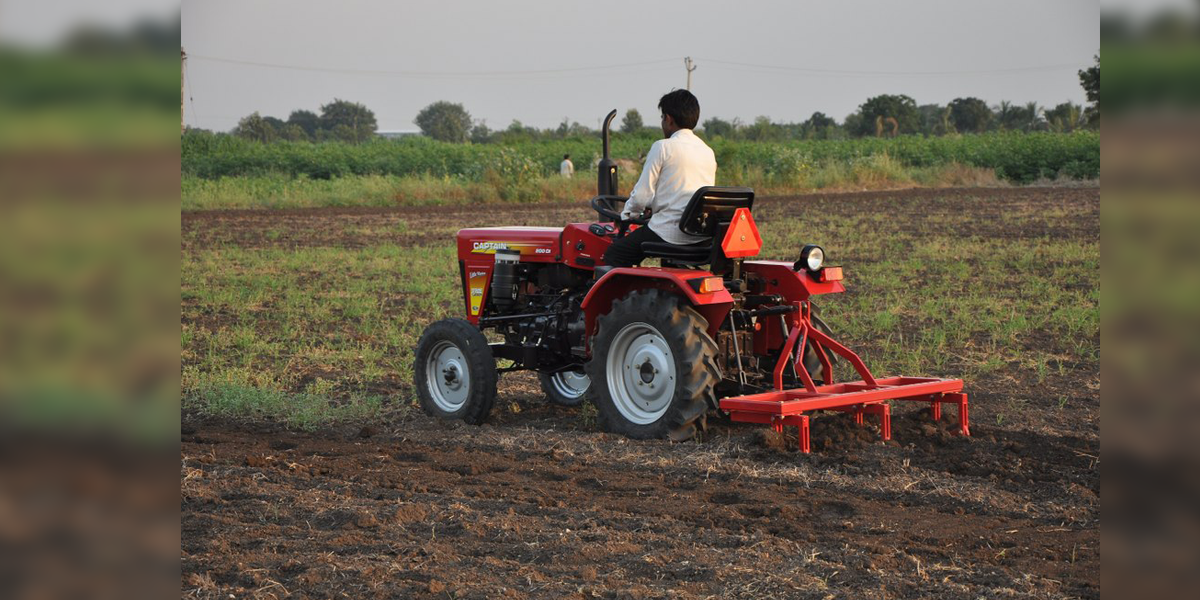
 Fig 1: A farmer uses a tractor in his field. Representative photo: Flickr/Phil Bus, CC BY-SA 2.0
Electric Tractor Market: Current Scenario In India
The report states that there weren’t a large number of players in the electric tractors market till FY2019 and the country usually was dependent on imports from other nations to meet its domestic demands. But post FY2020, the landscape began to change, with a number of firms showing interest in the segment.
“So far, 127 e-tractor units have been registered cumulatively in India. This includes imported E-tractor vehicles from other countries as well as sales of prototype E-tractor vehicles built in India,” it said.
Not surprisingly, key agricultural states like Punjab and Haryana lead from the front as far as state wide deployment of these vehicles are concerned. The report suggests that various firms have been approaching specific consumers within these states to study the performance of the prototypes being developed by them and make adjustments and refinements accordingly.
“This approach aims to gather valuable insights and prepare the tractors for broader commercial availability in the near future. Haryana and Punjab have significant potential for expanding the electric tractor market. Utilising strategic targeting methods, such as application-specific pilot programs and increased farmer awareness, will be crucial to harness this potential,” the report adds.
Challenges For Upscaling Electric Tractor Adoption In India
Electrification of tractors in a country like India presents its own set of challenges. Some of them are given below:
Upfront cost: There is a huge cost difference between a traditional and an electric tractors in terms of cost. While the ICE tractors usually come at a price range of Rs 4 lakh to Rs 10 lakh, electric tractors are expected to be priced betweenRs 7-14 lakh, thus deterring farmers from making this transition despite its long-savings, argues the report.
Government Support: The government came out with the Faster Adoption and Manufacturing of (Hybrid &) Electric Vehicles scheme whose first phase was in effect from 2015 to 2019, while the second phase was from 2019 to March, 2024. Through this, the government provided substantial subsidies to both the OEMs and end-users to make Electric Vehicles a more affordable solution, and the preferred choice for mobility.
However, the report argues that tractors have not been included in the FAME -II scheme nor other state-specific EV policies, except Haryana. Haryana is the only state that offers purchase incentives for E-Tractors in India, which is 50% of vehicle’s ex- showroom up to Rs 5 Lakh for the first 1,000 units of electric tractors purchased and registered in the state as mentioned in Haryana Electric Vehicle Policy 2022.
“This lack of government support on the manufacturing front hinders OEMs from entering the space, as there is less confidence in the new technology. Additionally, the absence of consumer purchase incentives is not driving the demand for E-Tractors in the market,” it said, adding that farmers often lack awareness of the benefits of electric tractors, especially in terms of total cost of ownership over an extended duration.
Charging Infrastructure: The progress in transitioning to electric vehicles has mostly been in India’s urban landscape, which also is grappling with the challenge of putting up sufficient charging infrastructure for EVs. In this scenario, the “lack of charging stations in agricultural regions limits the convenience and feasibility of using E-tractors for everyday farming activities,” the report adds. To top it all, consistent supply of reliable electricity also poses a major challenge in the rural areas that hampers the transformation of these tractors.
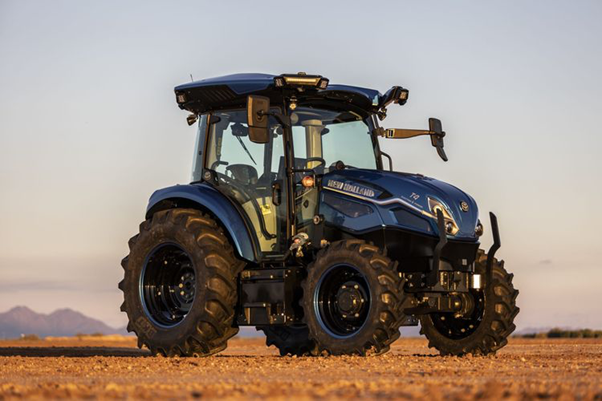 Fig 2: An electric tractor. Photo: New Holland
Fast Tracking Transition of Diesel Tractors to Electric
One of the key recommendations put forward by the report states that the government should play a crucial role in handholding the electric tractor market through favourable policies and incentives. “Including electric tractors in the new FAME-III Policy would provide a significant boost, introducing consistent incentives for purchase and manufacturing that would facilitate widespread adoption,” it adds.
It also suggests offering incentives and subsidies that could significantly take care of the initial high costs of purchasing an electric tractor, thus also increasing sales. It also strongly recommends inclusion of tractors in the respective state EV policies apart from providing manufacturing incentives to OEMs to encourage investments and research and development.
At the same time, it also urges the government to come with strict emission standards for agricultural machinery, drawing inspiration from the Stage 5 emissions standards set by European countries to boost demand. It also recommends reduction in the current tax regime for electric tractors which is the same as their ICE counterparts, observing that such a move can significantly increase sales.
Financial incentives like reducing the interest on agricultural loans could help farmers procure E-Tractors while initiating case-wise pilot programs in different states to study the potential of electric tractor market growth would help manufacturers understand the performance of tractors in different areas and terrains, the report added.
About the Author


