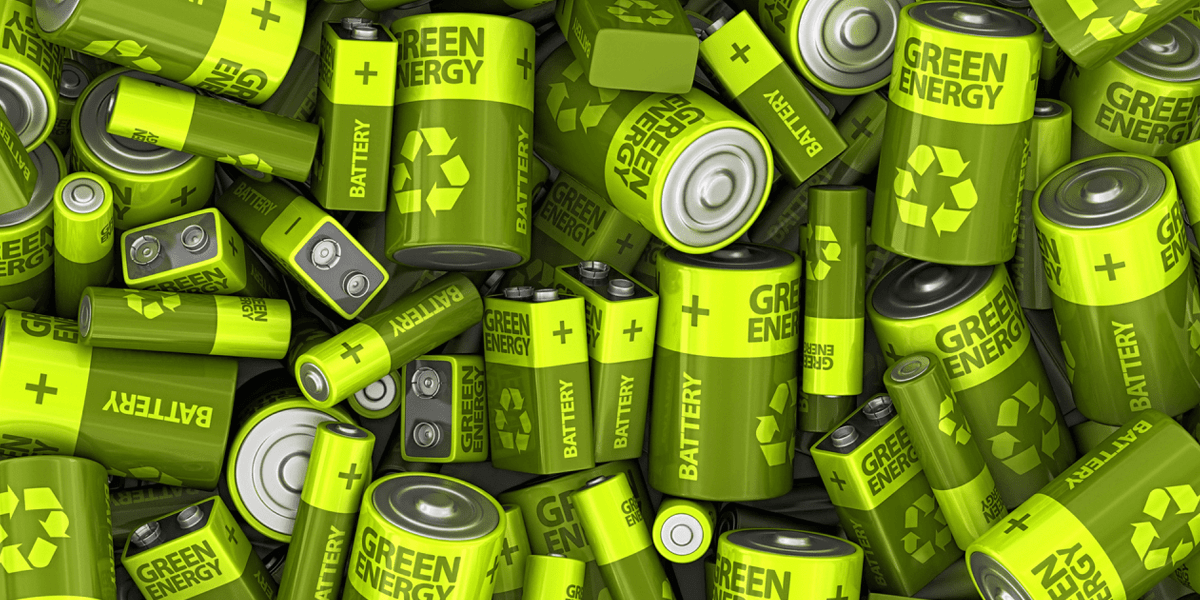
The current geopolitical landscape and concentration of critical minerals in a few geographies makes it essential for India to be self-sufficient by developing a circular economy within the EV battery supply chain
India’s technology landscape has been growing at a fast pace, driven by the surge in manufacturing and procurement of electronic items and the increase in adoption of electric vehicles, thanks to policy enablers, technological advancements and growing appetite for cleaner mobility solutions. This rise has in turn led to an increase in the lithium-ion battery demand, with some projections estimating the surge to reach 235 gigawatt hours (GWh) in Li-ion battery demand by 2030.
While this is an indicator of the growth trajectory the country is heading towards, it also has a flip side to it, particularly when it comes to their disposal, which poses several environmental challenges. As the demand grows for these batteries, a recent report quoting the NITI Aayog said 128 GWh of battery waste will be generated by 2030, of which 59 GWh will come from the electric vehicle sector alone. The report estimates that battery waste from the EV sector is “expected to increase six-fold by 2040 and will be ten-fold by 2050.”
The current uncertain geopolitical landscape, inward looking policies of countries, concentration of the critical minerals in only a few geographies makes it essential for an emerging economy like India to self-sufficient by developing a circular economy within the EV battery supply chain, especially in terms of recycling. Quoting the International Energy Agency, the report titled “Technology Roadmap for EV Battery Recycling Ensuring Circularity of EV Battery Supply Chain” points out that by 2040, “recycling these critical minerals from used batteries could reduce the overall primary supply requirements by approximately 10%.”
Noting that the recycling infrastructure in India is still “underdeveloped” which leads to these batteries being “disposed of in landfills or informal recycling units, posing environmental hazards”, it makes a strong case for unlocking the battery recycling potential to help the country achieve sustainable development and also meet its net-zero goals. It strongly advocates building the technological prowess which it argues, will “not only conserve valuable resources but also reduces emissions, promotes economic growth and ensures compliance with environmental regulations.”
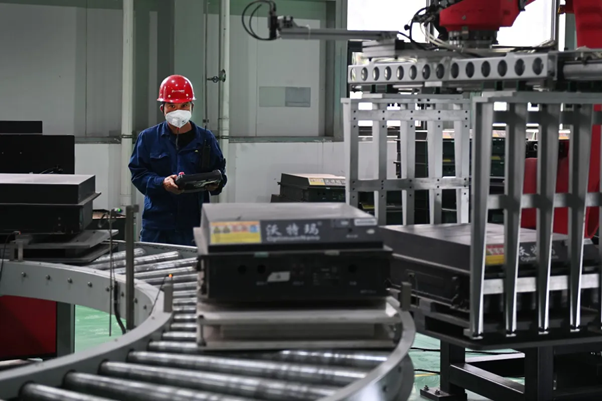 Fig 1: Employees recycle batteries from electric vehicles at a workshop of Paersen Environmental Technology Co., Ltd. Pic Credit: VCG/VCG via Getty Images
Benefits of Battery Recycling
Disposing off batteries in landfills or just throwing them away poses enormous environmental hazards. These batteries extensively use lithium (which reacts with atmospheric moisture to combust and release large amounts of heat), nickel, cobalt, graphite, manganese and copper. All of these metals can contaminate the soil and groundwater, leading to wide-ranging environmental impacts.
At the same time, a significant portion of two crucial minerals – Lithium and cobalt that are part of most rechargeable batteries – are not produced in India to the extent needed to insulate the country from supply shocks. Although we have inked pacts with critical mineral rich nations, recovering the mineral from used batteries remains a much more prudent solution.
Apart from these benefits, recycling these batteries can also help lower the carbon emissions generated through their production cycles. Some estimates suggest that around 90% of the production cycle’s emissions can be reduced through recycling.
Roadmap To Battery Recycling: Key Highlights
The report predicts “battery waste growth between 2030 and 2050, with estimates ranging from 37-80 GWh in 2030 to 554-626 GWh in 2050.” It noted that under two scenarios – one with a higher share of NMC chemistry and the other with a greater emphasis on LFP chemistry – “the recovered materials are capable of meeting 25-40% of the critical raw materials required for battery manufacturing.”
It observed that the hydrometallurgy or commonly known as the acid-leaching method has the “highest potential of adoption in the Indian recycling ecosystem” while direct recycling is the most suitable recycling technology based on economic and environmental parameters. “Direct recycling is at pilot scale but emerges as the most optimal technology for the future. It is more environmentally friendly and requires less economic investment,” the report noted, adding that 11 recycling facilities will be required to manage the projected battery waste till 2030.
Building A Robust Circular Economy: The Path Ahead
The report suggested a broad set of seven measures that can help India access its critical mineral needs, foster growth and at the same time, generate employment opportunities. It recommends the formation of a country-level online dashboard which can help monitor batteries from electric vehicles, a process which will “facilitate tracking the battery and critical minerals used in LiBs”. It also suggests formulating policies which recognize second life applications for EV batteries.
“The recycling industry considers EV batteries which are at the end of their first life, as a product that can be evaluated and used in energy storage and other second-life applications. However, current government regulations classify it as hazardous waste which creates an undue burden to comply with hazardous waste handling regulations and hampers the trade of these batteries, which can be a source of critical raw materials for recyclers,” the report said.
The report also highlights efficient collection of batteries at end-of-life, noting that “while the EPR requires producers to comply with collection and recycling targets, enforcement mechanisms remain weak.” It also advocates for “a government-backed pan-India cluster for collection of EV batteries with competitive and fair pricing” that will help “revolutionise” the circular economy supply chain.
Among other suggestions, the report also advocates the “need for policies to encourage R&D efforts aimed at developing and commercialising cost-effective and environmentally sustainable technologies, such as direct recycling by the Ministry of Science and Technology (MST) and Office of Principal Scientific Advisor (OPSA), GOI.”
About the Author


