
The revolution of ride-sharing & delivery services through EV adoption is not just a trend, it is a fundamental shift that is reshaping the transportation industry
In recent years, the transportation landscape has undergone a seismic shift with the advent of electric vehicles (EVs). These environmentally friendly, cost-effective, and technologically advanced vehicles are not only transforming personal mobility but are also revolutionising ride-sharing and delivery services.
This shift is being driven by a convergence of factors: the urgent need for sustainable urban transport solutions, the rising demand for last-mile delivery, and the growing acceptance of EVs among consumers and businesses alike.
The Environmental Imperative
The primary driver behind the adoption of EVs in ride-sharing and delivery services is the growing concern for environmental sustainability. Traditional internal combustion engine (ICE) vehicles are significant contributors to air pollution and greenhouse gas emissions. With urban areas being the epicentre of pollution, the switch to EVs presents a viable solution to reduce the carbon footprint of transportation.
In India, where 14 of the world’s 20 most polluted cities are located, the adoption of EVs is particularly critical. The transport sector accounts for nearly 13.5% of the country’s carbon emissions, with a significant portion coming from road transportation. The Indian government has recognized this and set an ambitious target of 30% electric vehicle penetration by 2030. Ride-sharing platforms like Uber and Ola are aligning with these goals, with Ola already committing to electrify its fleet under its “Mission Electric” initiative, targeting 1 million EVs on the road by 2030.
 Fig 1: Akash Gupta, Co-Founder and CEO, Zypp Electric
Cost Efficiency and Operational Benefits
Beyond environmental benefits, EVs offer significant cost advantages for ride-sharing and delivery services. One of the most compelling reasons for this shift is the lower operating cost of EVs compared to traditional vehicles. Electric vehicles have fewer moving parts, which translates to lower maintenance costs. Additionally, the cost of electricity is typically lower than gasoline, especially when charging infrastructure is optimised and integrated with renewable energy sources.
In India, where fuel prices are volatile and often high, the operational cost savings of EVs are particularly attractive. Studies have shown that EVs can reduce per-kilometre running costs by up to 60% compared to ICE vehicles. For ride-sharing drivers and delivery personnel, this cost efficiency can be a game-changer. Lower operating costs mean higher profit margins, which is particularly important in the highly competitive ride-sharing market. Moreover, many Indian cities and regions are offering incentives for the use of EVs, such as reduced road taxes, registration fees, and subsidies on EV purchases, further enhancing the economic viability of these vehicles for ride-sharing and delivery services.
Advancements in Technology and Infrastructure
The adoption of EVs in ride-sharing and delivery services has been accelerated by advancements in battery technology and the expansion of charging infrastructure. Modern EVs boast of significantly improved range, making them more practical for the demands of ride-sharing and delivery. The development of fast-charging networks has also addressed one of the major concerns associated with EVs—charging downtime. With charging stations becoming more ubiquitous, the operational efficiency of EVs is steadily increasing.
India has been making strides in expanding its EV charging infrastructure, with the government planning to install over 69,000 charging stations by 2030. Companies like Tata Power, EVRE, and Fortum have been instrumental in setting up these stations across major urban centres. The integration of intelligent fleet management systems is also optimising the use of EVs in ride-sharing and delivery services.
These systems use data analytics and Artificial Intelligence to monitor vehicle performance, predict maintenance needs, and optimise routes, thereby maximising efficiency and minimising downtime. For delivery services, particularly in the burgeoning e-commerce sector, the use of EVs can enhance last-mile delivery operations by offering a cleaner, quieter, and more cost-effective solution.
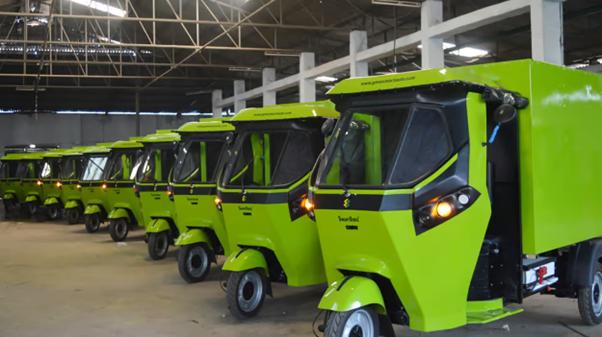 Fig 2: Bigbasket is looking to increase its current fleet of EVs to 1000 electric vans and 2000 electric bikes in the next one year. Image: Bigbasket
Consumer Demand and Market Differentiation
Consumer preferences are also playing a critical role in driving the adoption of EVs in ride-sharing and delivery services. There is a growing awareness among consumers about the environmental impact of their choices, leading to a preference for services that align with their values. Ride-sharing platforms that offer EV options are likely to attract environmentally conscious users, providing a competitive edge in a crowded market. In India, this trend is reflected in the growing demand for green transportation options.
According to a survey by Avendus, around 70% of Indian consumers are willing to pay a premium for cleaner, greener delivery options. For delivery services, the use of EVs can be a strong differentiator, particularly as companies seek to align with sustainability goals. Brands that incorporate EVs into their logistics chains can appeal to eco-conscious consumers and partners, thereby enhancing their brand image and customer loyalty.
The Road Ahead
As the world moves towards a more sustainable future, the role of EVs in ride-sharing and delivery services is set to expand. Governments, businesses, and consumers are all recognizing the benefits of this transition, creating a momentum that is likely to accelerate in the coming years. The ongoing improvements in EV technology, coupled with supportive policies and increasing consumer demand for green solutions, suggest that the future of ride-sharing and delivery services will be electric.
In conclusion, the revolution of ride-sharing and delivery services through the adoption of EVs is not just a trend; it is a fundamental shift that is reshaping the transportation industry. As these sectors continue to evolve, the integration of EVs will play a central role in creating a more sustainable, efficient, and profitable future for urban mobility.
Akash Gupta, Co-Founder and CEO, Zypp Electric

