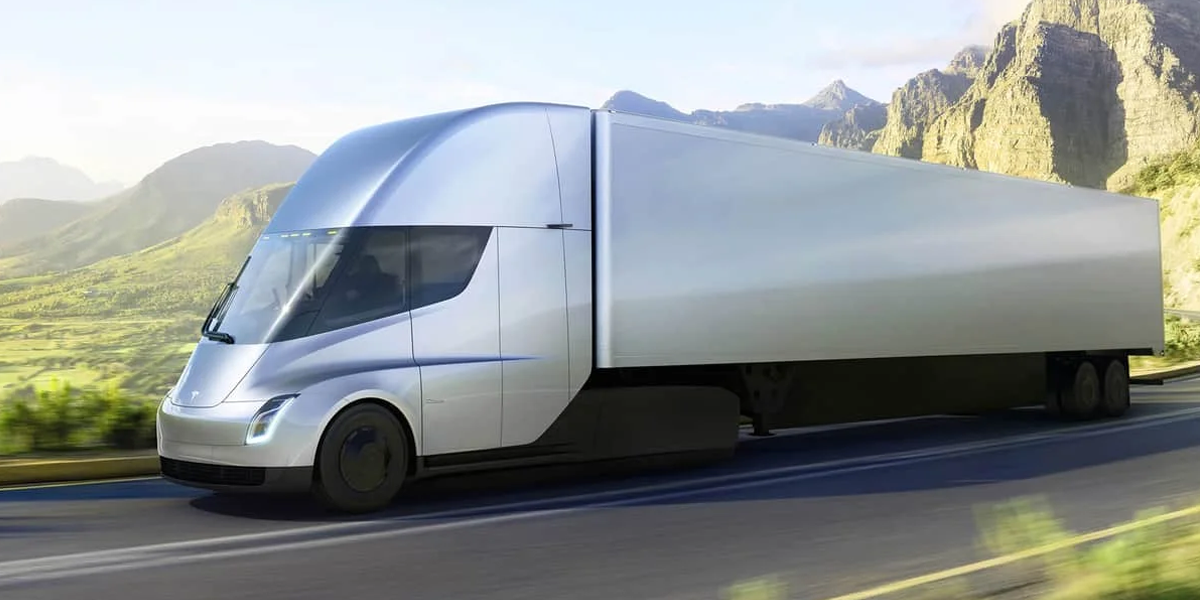
By adapting global best practices for financing, India can build a thriving ZET market that offers both climate benefits and long-term business viability
Despite the challenging geopolitical landscape, the Indian economy is expected to grow significantly. Rising consumer appetite coupled with rising infrastructure spending and a buoyant manufacturing sector is likely to spur this growth. However, given the tough international landscape, securing its energy needs is becoming increasingly challenging for countries. Rising prices, tough trade dynamics and growing emissions makes it imperative for countries to look for cleaner alternatives.
Recognising the importance of bringing down emissions amid the rising effects of climate change, the world has already embraced the need to move away from its dependence on fossil fuels. Backed by technological advances and falling costs, renewables have moved to the centre of the global energy landscape. India too has been an early mover in this segment and has been vigorously pursuing the transitioning towards cleaner sources of energy.
One of the crucial segments which contributes significantly to emissions is the freight transport sector, especially the diesel-run trucks, that are responsible for moving around 70% of India’s 4.6 billion tonnes of goods moved annually. Ambitious policies can help in reducing the energy demand by 30% in 2050 relative to current policies, thus saving the country 70 million tonnes of oil equivalent (80% of the sector’s current energy needs).
According to a report, the trucking sector is responsible for 34% of CO2 emissions and 53% of particulate matter (PM) emissions from India’s road transport. “One critical lever to accelerate this transition is access to affordable financing,” it said. Securing loans or financing for these trucks remains a challenge as it is accompanied by higher interest rates. “Since the capital costs of ZETs are already two to six times higher than those of diesel counterparts, these financing challenges further hinder their market adoption,” it adds.
Given the hindrances, “financial solutions such as innovative financing tools and business models are essential for improving the accessibility and affordability of capital in the ZET market,” the report titled “How to Finance India’s First 10,000 Zero-Emission Trucks” by RMI said. Regions and countries across the world have been coming out with innovative solutions to help ratchet up finances to enable this transition. The report argues that “ZET-specific business models can also play a critical role in enhancing the operational viability of ZETs, distributing risk, and strengthening the business case to attract capital.”
 Fig 1: An electric truck made by British startup Tevva is shown in this undated handout photo. Courtesy of Tevva/Matthew Howell/Handout via REUTERS
It points out that from 2020 to 2023, the newly registered electric trucks in nations like China, Europe, and the United States together accounted for 95% of the total new electric trucks sold worldwide. “These markets have benefited from financial interventions such as grants and tax incentives, concessional finance tools, innovative business models such as mobility-as-a-service, and de-risking practices,” it said, adding that the report looks at how different regions are financing and de-risking the transition to ZETs and focuses on how lessons and implications can be applied to India’s emerging ZET market.
The report explores three key tools — risk-sharing facilities, insurance, and mobility-as-a-service — to make a point on how they have been successful in other countries while delving into its implications for India.
Financing ZETs: The Way Forward
With government subsidies for ZETs and increasing private sector interest, India is in a prime position to utilize various financial solutions to sustain ZET market growth. The report highlights three ways to ratchet up this segment.
Risk-Sharing Facility: These facilities, often as loan guarantees, cover a portion of loan losses in the event of default, it said. “These guarantees enable financiers to hedge against loss in case of default to mobilize capital for ZET fleets,” the report points out. Elaborating about the example of California’s Zero-Emission Truck Loan Pilot Project, which includes loan guarantees for both zero-emission trucks and infrastructure, it argues that the program targets small- and medium-sized fleets that face greater challenges in securing finance due to lenders perceiving them as higher risk.
“In India, where small fleets dominate the market, loan guarantees could serve as a catalyst to build commercial financiers’ confidence in the ZET sector and unlock commercial lending,” adds.
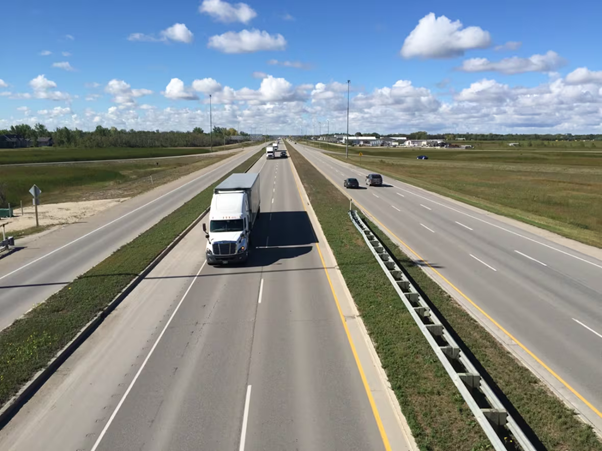 Fig 2: While all kinds of businesses are looking for ways to cut carbon emissions, the heavy transport sector has been considered one of the most difficult to decarbonize. Pic credit: (Erin Brohman/CBC
Insurance: Through this, truck owners can get financial protection from unforeseen risks. “ZET insurance is currently more expensive than diesel truck insurance and may sometimes be unavailable. Developing insurance solutions tailored to ZETs can help reduce perceived operational risks, making the sector more attractive to investors,” it adds.
The report makes its point by describing the example of China, which it says, has been experimenting with regulatory measures to address this issue, such as capping premium rates and banning insurers from rejecting ZET insurance applications. “The private sector is also developing innovative solutions, such as driving behavior databases to inform insurance pricing and low-cost ZET insurance offered by OEMs. These examples emphasize the need for collaboration among public entities, insurance companies, OEMs, and fleets to improve information transparency and refine insurance pricing,” it adds.
Mobility-as-a-Service (MaaS): This model distributes ZET ownership risks to specialized parties that are better equipped to manage them, the report said, adding that it includes truck leasing along with additional services like charging infrastructure and maintenance. “MaaS has gained traction through partnerships between OEMs, leasing companies, and development finance institutions in the United States, Europe, and China,” it adds.
“A federal grant-funded MaaS program in the United States offers affordable ZET leasing and charging services for small drayage fleets. Europe has seen examples of a pay-per-use model, allowing fleets to lease ZETs based on kilometers driven,” it adds.
About the Author


