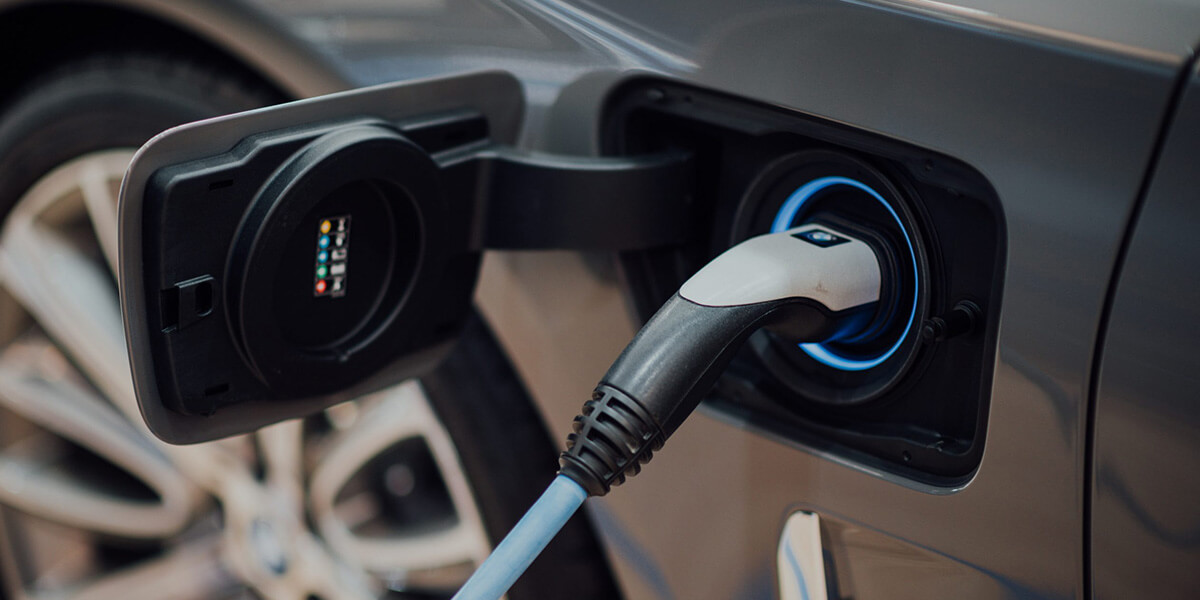
According to the EV Dashboard, 2023 has recorded an unprecedented success in terms of EV sales
Although a new technology, electric vehicles are seeing a gradual but sustained acceptance among buyers in India. While some of the rise in sales can be attributed to increasing climate awareness, it would be foolish to deny that the rapid advancement in EV technology, including rolling out more efficient lithium-ion batteries, has played a crucial role in this turnaround. Governments, too, have played their role by creating enabling policies.
As we move into a new year, it is important to organise these abstract observations into more concrete concepts. For instance, if EVs are indeed growing rapidly (as most industry experts tell us), then what is the rate of this growth? Which vehicle segment is growing faster than the rest? Which states are clocking a higher sales figure and which states need to give it a push? How successful EV penetration in India has been and where the country is projected to be by the end of this decade?
The Clean Mobility Shift EV Dashboard: Unveiling 2023's EV Success
These questions are critical to understand the success achieved in nudging the public towards sustainable automobile systems. According to the EV Dashboard run on Clean Mobility Shift, 2023 has recorded an unprecedented success in terms of EV sales. For the second year, EV sales figures have crossed a million mark. But that’s not the whole story. This year, nearly 1.4 million electric vehicles have been sold across the country, compared to 1.02 million last year.
Last year, the EV penetration was just 4.75%. This year, it has jumped to 6.34%. Three-wheelers have been the most popular EV segment in 2023 with a penetration rate of 53.75%, followed by two-wheelers (5.02%), buses (2.81%) and four-wheelers (2.11%).

Figure 1: A screenshot of the EV Dashboard run by Clean Mobility Shift, showing data for different vehicle segments
One of the major reasons for the resounding success of electric 3-wheelers is they don’t require permits, which are needed to operate similar diesel or petrol vehicles. They are also a significant employment provider for youth in metro as well as Tier II and Tier III cities.
In terms of overall EV sales, Uttar Pradesh performed significantly better in 2023 after having sold 2.47 lakh vehicles when compared to the previous year during which the state managed to sell 1.62 lakh vehicles. Chandigarh had the most EV penetration at 11.65%. Last year, Delhi topped this segment with 10.23%.
Analysing EV Growth: Key Questions for the New Year
The Clean Mobility Shift Dashboard also forecasts three scenarios – low, medium and high – for EV adoption until 2030. For the high adoption scenario, it suggests that 2 million EVs will be sold every year by the year 2025. And by 2030, the annual EV sales could touch almost 7 million units. These estimates appear in line with the annual pace of growth seen over the past two years.
If the adoption rate is medium, about 1.6 million electric vehicles are likely to be sold annually by 2025. By 2030, annual EV sales figure could touch 5.1 million units.
In the third scenario, that is if the EV adoption rate remains low, 1.6 million vehicles are to be sold annually by 2025. This figure is highly likely to be surpassed as EV sales have already touched 1.4 million this year. In 2030, the annual EV sales could be 4.1 million in the low adoption scenario.
The dashboard also suggests that electric 2-wheelers are likely to overwhelmingly dominate the sales annual figures in the coming years. Even if the adoption remains low, electric 2-wheelers are likely to clock 1.16 million units on their own by 2025. By 2030, their sales figure is expected to double.
There is not much change in the sales figure of electric 2-wheelers by 2025 even if the adoption rate is high. It is likely to go up to 1.43 million units. But the annual sales change drastically by the year 2030. Around 5.7 million two-wheeler EVs are likely to be sold annually by the end of the decade.
Three- and four-wheelers will have a relatively slow adoption, according to the dashboard prediction. This could be because of several factors, possibly including high upfront cost (bikes are cheaper) and a lack of adequate charging infrastructure on the highways, expressways and rural India.
About the Author


