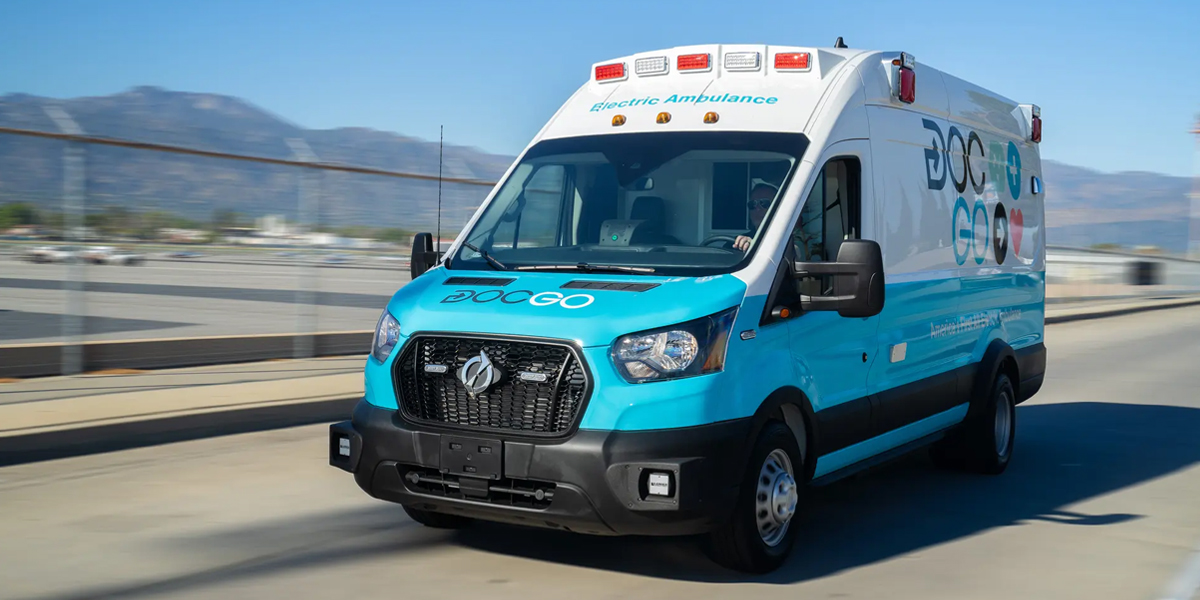
The recently announced PM E-Drive scheme that allocates Rs 500 crore for e-ambulance deployment can enhance the efficiency and sustainability of emergency medical services across the country
The need for introducing sustainable solutions in the health sector has never been so pressing, given the rising burden on the healthcare infrastructure in India and the growing impacts of GreenHouse Gas (GHG) emissions and poor air quality. Witnessing a boom in urbanisation and population growth, India’s emergency response systems – primarily the ambulances – face quite a few challenges, including rising operational cost and environmental concerns.
Ceased of these concerns, the Indian government, which has come out with various subsidies and incentives to hand hold the Electric Vehicle (EV) sector, announced a pathbreaking initiative recently to leapfrog sustainable transportation in the health sector by approving the PM Electric Drive Revolution in Innovative Vehicle Enhancement (PM E-DRIVE) scheme with an outlay of Rs 10,900 crore for two years.
The scheme allocates Rs 500 crore for the deployment of e-ambulances and is aimed at promoting the use of these clean vehicles for a comfortable patient transport. The government said the performance and safety standards of e-ambulances will be formulated in consultation with the Ministry of Health, Road Transport and Highways and other other relevant stakeholders.
 Fig 1: Ambulances stand outside a facility. Pic credit: PTI
Post the announcement, the government has already set the ball rolling in this direction. According to reports, the Ministry of Heavy Industries will hold consultations with the health ministry soon to determine the technical specifications needed for these vehicles. The discussions are likely to cover issues such as the weight of these ambulances, including heavy medical equipment, that will play a crucial role in deciding how to electrify them while maintaining safety and performance. “The final guidelines are expected to be rolled out after these consultations,” a report said.
The latest PM E-Drive initiative by the government not only aims to streamline the buying process of EVs for the consumers, but also paves way for integrating electric vehicles in the health sector by deploying e-ambulances. The move, aligned with the country’s net zero goals and climate commitments, also aims to spur investments in the EV landscape and associated supply chains.
India has approximately 30,000 ambulances currently in operation and electrifying them can significantly enhance the efficiency, sustainability, and accessibility of emergency medical services. With government support and strategic investment in infrastructure, India can pave the way for a healthier future, aligning with global sustainability goals while ensuring that all citizens have access to timely and effective medical care.
 Fig 2: London Ambulance Service has already put its first electric ambulance into use (Image: London Ambulance Service)
Advantages of Adopting Electric Ambulances
Electric ambulances not only address issues like rising operational costs and environmental concerns but also pave the way for a greener future. Let us look at some of the advantages of adopting Electric ambulances in India.
- Quiet, smooth ride for patients: A battery-powered electric motor is virtually silent, and the power is delivered without the transmission, exhaust and other mechanical systems of a gas-powered vehicle, making the ride quiet and smooth that ultimately equates to better prehospital patient care. Compared to their internal combustion engine (ICE) counterparts, electric ambulances also have fewer moving, thus requiring less maintenance.
- Cost Savings: Electric ambulances are likely to have lower operational costs compared to their internal combustion engine counterparts, although their upfront costs are higher. The cost of electricity is significantly lower than fossil fuels, allowing healthcare facilities to allocate more resources to other critical areas. To add to this, the financial sustainability of healthcare facilities can improve over the long-term due to such savings.
- Zero Tailpipe Emissions: ICE vehicles consume a lot of fuel and emit harmful gases to further aggravate the problem of air pollution which most cities are grappling with at present. Having zero tailpipe emissions, the electric ambulances help in lowering the carbon footprint associated with emergency medical services, thus contributing to cleaner air and healthier communities.
- Real Time Tracking: Unlike their ICE counterparts, these clean vehicles can be tracked in real time through GPS which in turn helps the health organisation. With the aid of GPS tracking technology, hospital staff can prepare accordingly to receive the patient and plan their care in advance.
- Tech Advancements: The electric ambulances also allow Integrating cutting-edge technological advancements like telemedicine capabilities and real-time data monitoring systems to improve patient care. The combination of clean energy and cutting-edge technology can make emergency responders more responsive and efficient.
About the Author


