
Despite looking similar, EV-specific tyres are different from those used in normal vehicles, as they incorporate unique features and designs tailored for the distinct requirements of EVs
Barring a couple of hiccups over the last few years owing to the COVID-19 pandemic and supply-side constraints that impacted sales, the automobile sector has been growing steadily in India. Committed to achieving its net-zero climate targets by 2070, the government, through its policies and incentives, has been consistently endeavouring to enable the transition of this sector towards cleaner mobility options like Electric Vehicles.
These policies have not only helped achieve this transition to EVs significantly, but also managed to shift the consumer appetite towards owning an electric vehicle. Electric two-wheelers have led from the front, registering annual EV sales of around 0.25, 0.73, and 0.94 million units in FY22, FY23, and FY24, respectively. FY23 was the first year when the total number of EVs sold surpassed the million sales mark, with the sale of 1.2 million units. Other segments too have registered significant sales figures over these years.
Even though these figures paint a very positive picture about the transition, there are several important aspects which the consumer needs to keep in mind before owning an electric vehicle. One such factor is the tyres, which are different from conventional vehicles and need periodic replacement.
Despite looking similar to tyres used in Internal Combustion Engine Vehicles, those used in EVs possess unique characteristics that are tailored to meet the specific needs of the electric vehicle. This makes it crucial for consumers to understand the difference between EV and standard car types. Let's break down some of the key differences between the tyres of both these vehicle types.
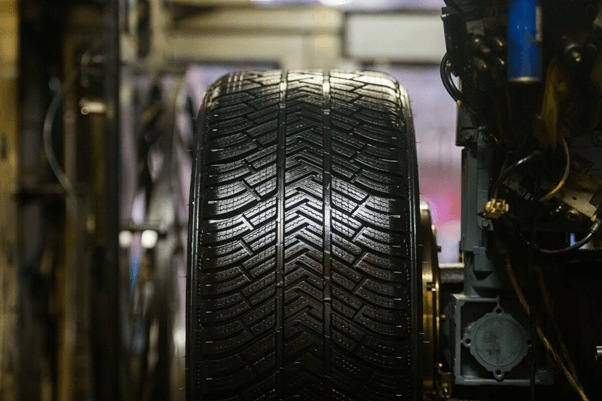 Fig 1: A vehicle tyre. Photographer: Nathan Laine/Bloomberg
- Load Capacity: Electric vehicles tend to be heavier than their ICE counterparts since it bears the load of batteries, thus placing additional strain on its tyres. Therefore, the rubber compound and construction of an EV tyre are different and are designed to bear the heavy load of the batteries. EV tires feature more robust sidewalls and internal construction to support this added load, ensuring that the vehicle does not have premature wear, face overheating issues and provide an optimal performance.
- Rolling Resistance: Rolling resistance refers to the energy lost as a tire rolls under the vehicle’s weight. EV tires are engineered to have lower rolling resistance, which can help extend the driving range by minimising the energy required to keep the vehicle moving. The energy loss is minimised by designing tyres which have advanced rubber compounds and design. These tyres also have advanced tread patterns, lower sidewall stiffness among others that ensures longer range and extension of battery life.
- Robust traction: In comparison to conventional vehicles, electric cars can accelerate quickly, the moment the driver guns the pedals. This instant acceleration puts additional strain on tyres. In order to handle the instant torque, EVs have tyres with stronger construction and more robust rubber compounds. For this reason, tyres in EVs are designed with specific stiff and wide centre rib patterns to reduce potential slippage and abnormal abrasions. To add to this, interlocking grooves in the tread pattern are also included to prevent hydroplaning and compensate for the increase in torque.
- Noise Reduction: Unlike their petrol or diesel counterparts, electric vehicles are silent when driven. This increased silence can make other noise and vibration more noticeable. To further ensure a silent cabin experience, manufacturers need to use tyres which are engineered to reduce rolling noise and provide a quieter driving operation. Therefore OEMs deploy innovative tread block designs and noise absorbing materials to mitigate vibrations and reduce noise levels.
- Durability: Experts believe that in order to get a smooth driving experience, it is crucial to have specific compounds, that includes raw materials like high-loading resin and silica extracted natural resources, in EV-specific tyres. They argue that these durable compounds ensure better power delivery and driving characteristics of an electric vehicle.
- Weight Distribution:Owing to the placement of batteries on the floorboard area of vehicles, EVs have a very different weight distribution in comparison to ICE vehicles. The tyres used in an EV are designed to accommodate this unique weight distribution so that they can ensure better traction, stability to the vehicle and handling.
About the Author


