
As EVs firm up their market share, accurate reporting of emissions is critical to clean up gasoline vehicles and offering the customers the cleanest cars
A new report has found that major carmakers were underreporting their emissions by a significant margin, with some of them emitting more than entire countries. The report, called “Oil Companies in Disguise 2024”, finds that Stellantis (the parent for Dodge, Fiat, Chrysler, Jeep, Vauxhall etc.), Toyota and Volkswagen were “grossly underreporting” their real emissions. The other brands surveyed were BMW, Mercedes-Benz, Ford, Honda, Renault-Nissan-Mitubishi and Hyundai-Kia.
 Fig. 1: The many automotive brands owned by Stellantis | Image: Stellantis Media
The findings hark back to Volkswagen’s diesel emissions scandal (Dieselgate) in which the automaker was found to be using a clever cheat device to beat the EU and US emissions testing systems on its diesel vehicles. But the latest story is more symptomatic of the automotive industry’s general lack of efforts to do more to clean up its passenger cars. Toyota, for instance, insists on developing gasoline-hybrid and hydrogen vehicles instead of battery EVs.
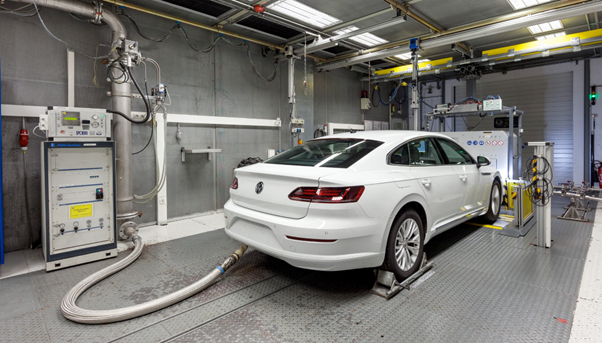 Fig. 2: VW was forced to pay $13.7 billion in the US as penalties for its dieselgate scandal | Image: Drive.com.au
The report goes on to say that Toyota, Stellantis and Volkswagen vehicles together accounted for more emissions than the emissions put out by Italy, France and the UK. Also it found that the car industry in total emits around 12 billion tonnes of CO2 a year – more than all of the G7 countries put together. Although in a small positive development, the car industry’s average gap in reported vs. real emissions narrowed from ~46% in 2022 to 27% this year.
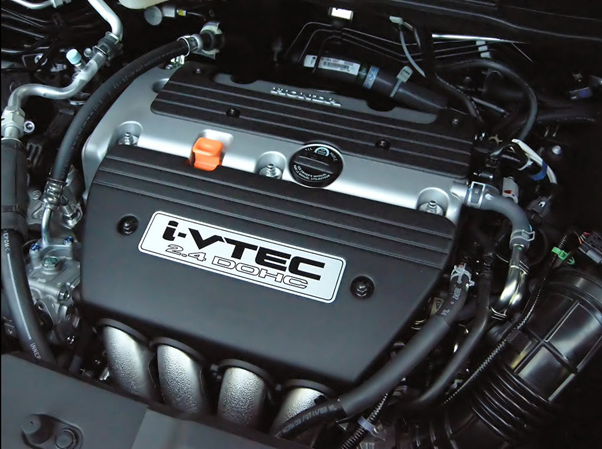 Fig. 3: Honda’s i-VTEC petrol engines are famous for their fuel efficiency, performance and reliability | Image: Neil Huffman Honda
Curiously Honda was found to be one of the automakers that had the biggest inexplicable gaps in its emissions. The Japanese giant is known for its highly refined and fuel efficient engines, so its inclusion in the group along with Hyundai-KIA and Renault-Nissan-Mitsubishi was surprising.
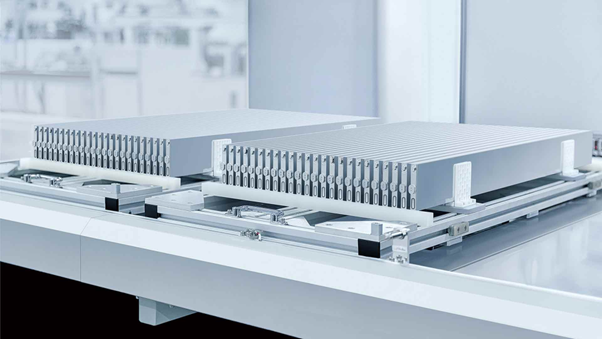 Fig. 4: BYD’s Blade line of EV batteries set a new performance benchmark by being explosion-resistant and fireproof | Image: BYD
Why Does It Makes Sense To Switch To Electric Vehicles
Yet It makes sense to switch to EVs to lower ones’ operational costs, and new advances in batteries will make EV ownership an ever better proposition. Cornell University, for example, just reported the development of a new battery that can be recharged in 5 minutes. The technology may take some time to be adopted commercially but it’s a major advance towards easing the most commonly reported shortcoming with electric vehicles: their recharging time. BYD in 2020 had announced the Blade line of li-ion batteries that would not catch on fire and similar batteries are bound to be developed by other manufacturers. Also after the spate of EV fires in India, the DRDO’s investigation report implied that EVs sold in India must have competent battery management systems to prevent “thermal runaways”.
The automotive industry stands at an inflection point, especially in India, with the country’s focus on lowering emissions. Honest and accurate reporting of emissions is therefore critical to cleaning up gasoline cars and offering the customers the cleanest cars possible while EVs firm up their market share.

