Policymakers must prioritise the quantity and strategic siting of charging infrastructure to foster widespread adoption of electric vehicles
India has been witnessing a rapid rate of electric vehicles (EVs) adoption in the past few months. To facilitate the next phase of high growth in the sector, rapid expansion of charging infrastructure will be a critical facilitator. By 2030, the country is forecast to be home to 102 million EVs, with 2.9 million public charging stations needed to accommodate the growing EV adoption. Installing charging stations in public locations helps address the issue of range anxiety — which most potential owners express as a hindrance in adopting EVs.
The Government of India has been focusing on destination charging to improve the charger density ratio in India to address this problem. Destination charging essentially refers to the installation of charging stations at specific locations where users spend an extended period, e.g. hotels, restaurants, and shopping centres. Such charging points are strategically placed to cater to EV owners while they engage in activities, promoting seamless integration of charging into their daily lives. Fostering widespread EV adoption presents a critical challenge, one that hinges significantly on the availability and accessibility of charging infrastructure.
Improving Accessibility of Charging Stations
However, amid the ongoing discourse surrounding the availability of public charging stations in India, accessibility is paramount. While there is a notable emphasis on tracking the number and types of public EV charge points being installed in cities—be it slow, fast, or rapid— siting these new charging stations properly must be a primary decision input.
Concerns remain over improperly located stations obstructing pedestrian footpaths or impeding the smooth flow of vehicular traffic within parking lots. This not only lowers their accessibility but also poses safety concerns for pedestrians and cyclists. Moreover, how a charger is located is key to effectively manoeuvring vehicles around it, and the lack of adequate visibility is a hindrance at nighttime.
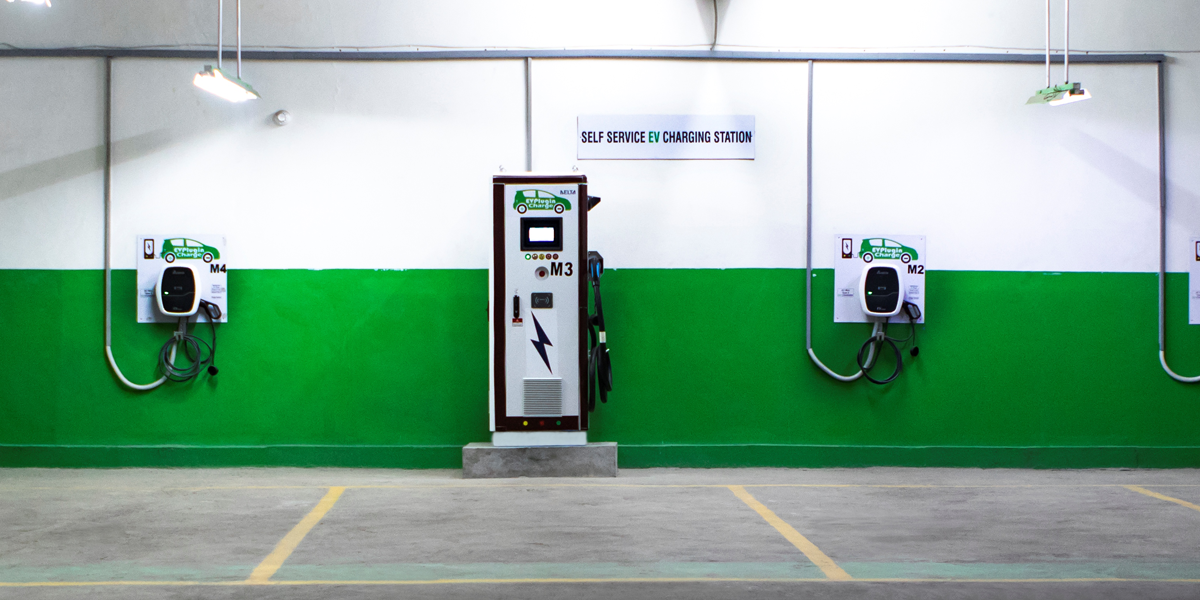
 Fig 1: Adequate charging infrastructure is a necessity for the scale-up of electric mobility. (Pradeep Gaur/ Mint)
This challenge is further amplified with rapid chargers sometimes located in quiet, lonely street corners. The risk is exacerbated by the fact that vehicles are immobilised during charging, leaving users vulnerable to potential threats. It’s also worth noting that the placement of EV charging posts behind fenced-in power boxes further obstructs visibility, underscoring the importance of prioritising safety and visibility.
We have witnessed some cities taking the lead in preparing charging infrastructure through electric vehicle readiness plans. Pune and Delhi have developed plans that focus on identifying ideal locations for increasing the charger density ratio. However, a search for terms such as pedestrian, road width, and visibility among others does not yield any results.
Need For Holistic Approach That Considers All Stakeholders’ Interests
Thus, to foster widespread adoption of electric vehicles, policymakers and stakeholders must prioritise both the quantity and strategic siting of charging infrastructure. This requires a comprehensive approach considering all road users’ needs while seamlessly integrating public charging stations into urban environments, ensuring convenient access for EV owners and minimising disruptions to traffic flows.
This also means updating our urban street design guidelines to accommodate the growing need for e2W, e3W, and e4W charging station placement in public spaces without compromising road safety. It signifies a proactive approach toward sustainable mobility, where cities promoting walking, cycling, and public transit, can reduce car travel demand and facilitate the transition to electric vehicles.
Crucially, the integration of EV public charging stations into urban street design guidelines necessitates a holistic approach that considers various stakeholders’ interests. Collaboration between municipal authorities, charge point operators, distribution utilities, public works departments, urban planners, and community members is essential to strike a balance between promoting electric mobility and preserving the integrity of urban spaces. Developing a parameter- based scorecard for siting EV charging stations can optimise placement and usability by considering factors like location, accessibility, visibility, infrastructure requirements, key transport corridors, distribution transformer capacities and land use patterns.
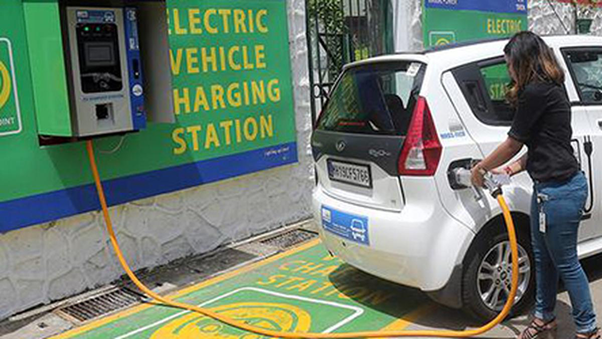 Fig 2: An electric Vehicle Charging station. Pic by Emmanual Yogini
Promisingly, the NITI Aayog has given the lead in siting of charging infrastructure that addresses these vital detailing concerns. It has identified visibility and access as the two pillars to enable a successful charging network development while entrusting state nodal agencies and urban local bodies to execute this strategy. These ideas have to be complemented by checklists that are followed to the letter, given how multiple local bodies are issuing tenders for installations of charging stations within their jurisdictions.
Optimal locations accessible to EV owners can enhance charging station usability. Additionally, investing in robust infrastructure and amenities like lighting, signage, and safety features improves the user experience and encourages greater EV adoption.
Prioritising quality and efficiency in installation phases helps cities avoid potential setbacks and expenses associated with future retrofitting or relocation efforts. Integrating charging infrastructure into the urban fabric enables municipalities to catalyse EV adoption by streamlining the charging process, enhancing accessibility, and fostering greater acceptance of electric vehicles.
Aishwarya Agarwal leads the Centre for Inclusive Mobility and Rohit Pathania leads the Centre for Clean Mobility at OMI Foundation

