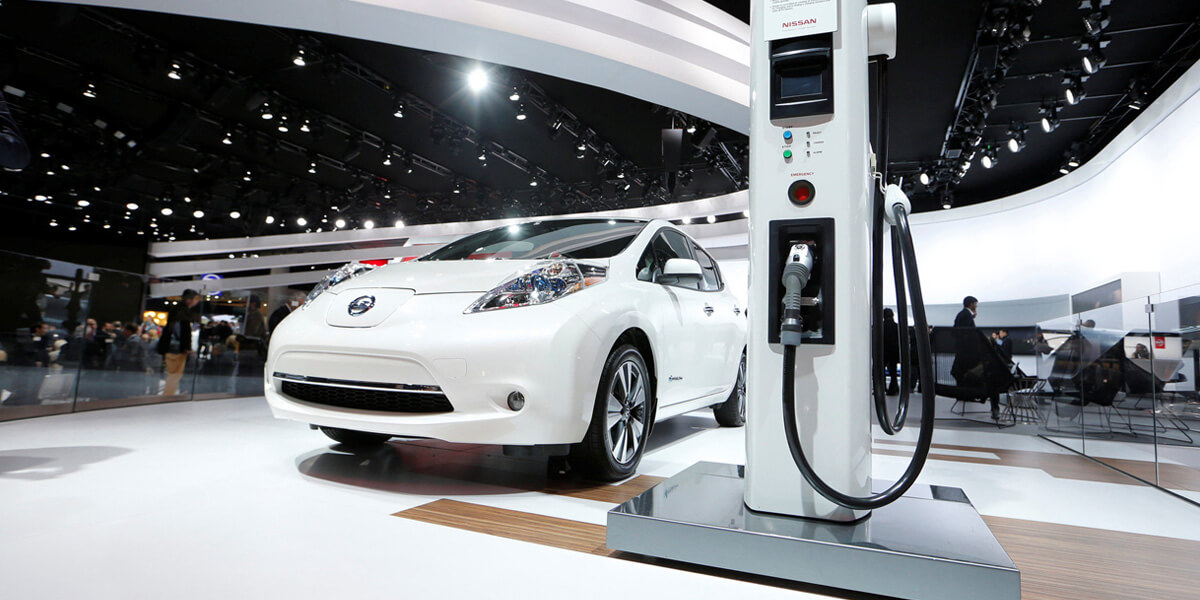
It is crucial that India’s EV subsidies aren’t phased out any time soon as the EV market is still far from being mainstream
France has decided to offer a new cash incentive for EVs under which only electric vehicles manufactured within Europe will qualify for a €5,000-€7,000 rebate. The move is aimed at curbing the flooding of its markets by cheaper EVs manufactured in China, and an interesting ramification is that the move disqualifies the Tesla Model 3 from the rebates, even though France and Germany are the car’s largest markets in Europe. Geely-owned Volvo will also have to re-think its strategy for some of its models.
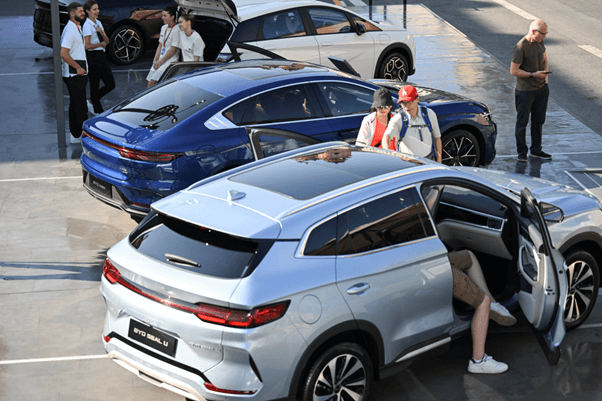
Fig 1. Chinese EVs have lost their subsidies in the French market as the country looks to promote European products to protect domestic manufacturers | Image: Reuters
EV sales have plummeted in Germany on the other hand, as the country discontinued its EV subsidies for commercial vehicles from December. New registrations for battery electric vehicles had jumped by 14.5% y-o-y, indicating that BEVs were fast becoming a preferred mode of transport for both private and commercial customers. The move may be aimed at shoring up Germany’s ICE car industry, which accounts for around 5% of its GDP, but it goes to show that customers still want EV subsidies.
France’s ending of cash incentives for EV from outside Europe is also significant for US EV manufacturers. Ford, GM and Tesla are the biggest players in the segment, and their EVs could cost considerably higher than EVs from Peugeot, VW, Seat and Citroen, for example. The sales for higher-end vehicles, such as the EQS by Mercedes-Benz and i7 xDrive60 by BMW, may not be affected as the price bracket draws a more exclusive club of buyers that is not as price-sensitive. Nevertheless, the measure comes amidst China’s already months-long criticism of Europe’s “protectionist” policies. Yet, the Macron government maintains that it will not allow EVs that have a carbon footprint of more than 14.75 tonnes of CO2e to be sold within its borders as it wants to promote the cleanest vehicles only; the majority of China’s electricity still comes from coal.
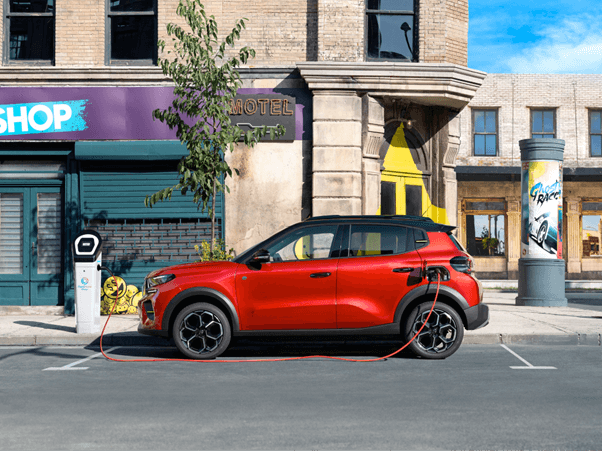
Fig 2. The Citroen ë-C3 is a new EV from France that claims a driving range of 250 km on a single charge | Image: Car and Driver
Germany’s decision has been criticised from within the country as only three models from its major automakers cost less than €30,000. And the decision will make it even more difficult for German EV manufacturers to keep their cars competitive against Chinese imports. On the positive side, Mercedes-Benz, VW, Audi and Tesla have each announced to continue paying the €6,750 subsidy for customers that had ordered their vehicles by a certain date. Germany had planned to continue in 2024 with a lower, €3000 subsidy but that is longer the case.
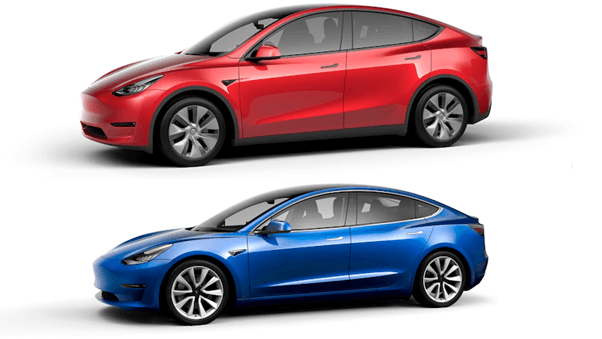
Fig 3. The Tesla Model 3 (lower half) loses out on France’s EV subsidies as the European model is manufactured in China. The Model Y still qualifies for the rebate | Image: MotorTrend
India should continue subsidies
FAME II is supposed to end on March 31, 2024, after which FAME III is expected to be instituted. The subsidy for electric vehicles under FAME III could go up to as much as Rs. 50,000 crores. However, it is crucial that India’s EV subsidies aren’t phased out any time soon as the EV market is still far from being mainstream. At the end of November 2023 the vehicles’ market share only stood at 6.34% and despite the slew of new models being launched, electric vehicles still command a premium over their ICE counterparts. It’s also important that India’s EV manufacturers are encouraged to use as much clean energy as possible. It has the dual advantage of lowering the EVs’ embodied emissions and it opens up a new line of customers for renewable power developers.
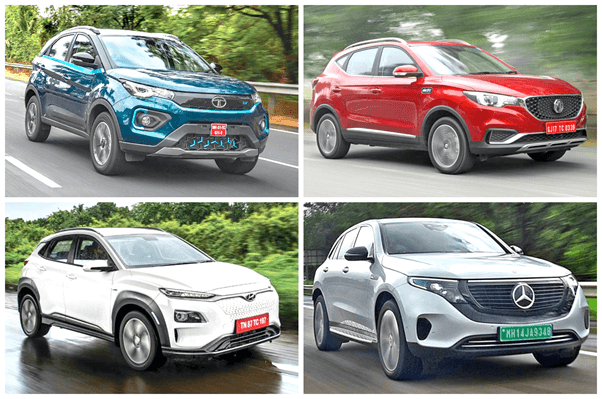
Fig 4. India’s electric car market is growing fast, but the vehicles still need subsides to lower the price difference with their ICE counterparts | Image: Autocar India
Businesses in India too are switching to EV in record numbers. Electric three-wheelers and good vehicles sold over 525,000 units in 2023 and the country today has around 16 electric taxi services. To grow their share, apart from ready access to charging stations, electric vehicles therefore must be able to compete on price with ICE vehicles, which is why subsidies are still essential for the segment. Fortunately electric two-wheelers are expected to reach price parity with petrol bikes by 2027 (or even earlier), which will be an important inflexion point for India’s mass-market e-mobility. It is hoped that the government will continue to subsidise electric cars well after that to promote their uptake as well.

