
Recycling is turning into a precise industrial system capable of supporting clean mobility, electronics manufacturing, renewable energy, and the next phase of India's industrial growth
The recycling industry in India is going through a fundamental change. What was previously thought of as a fragmented waste management process is now changing into a tech-driven industrial ecosystem powered by AI robots, robotics, automation and data-driven material recovery. This change exists because the scope of the problem has dramatically changed.
India has become the third largest generator of e-waste, after China and the United States, with annual volume increasing from around 2 million tonnes in FY14 to 3.8 million metric tonnes by FY24. The economic value that is recoverable in the garbage stream can be estimated around $6 billion. Traditional recycling systems aren't designed to meet the demands of this fast-paced environment.
Dismantling by hand and the fragmentation of collection networks result in massive material losses, inadequate traceability, inconsistency in recovery quality and serious environmental risks. Informal processing is still responsible for a large portion of India's e-waste despite the increase in official recycling facilities.
The Rise of Intelligent Recycling Systems
One of the major shifts taking place is the transition away from traditional recycling and towards smart resource recovery. Modern recycling facilities increasingly employ robots, automated dismantling systems as well as AI-based sorting and sensor-driven material identification to manage complicated waste streams with greater accuracy.
This is because waste streams are becoming more complicated. A lithium-ion battery pack, the EV motor, a discarded phone server rack, and industrial magnet - all include diverse chemistries as well as recovery pathways. Manual systems are unable to deal with these materials safely and efficiently at an industrial scale.
AI-powered systems can now recognize the composition of materials, classify battery chemical compositions, identify contamination and increase separation efficiency in real-time. Robotics also reduces the need for hazardous hand-handling, particularly when it comes to battery dismantling and high temperature processing of materials.
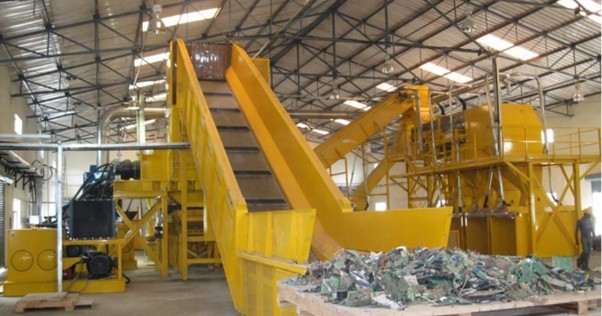 Fig 1: Attero Recycling plant in Roorkee. Pic courtesy of Attero
Why Digital Intelligence Matters Beyond the Plant
The main challenge for India's recycling system is not only processing capacity. It is traceability, sourcing and formalization. A significant portion of recycled material is still moving through insecure and opaque supply chains, where transparency is poor and recovery standards are inconsistent. AI-driven digital platforms are starting to fill this void through ensuring transparency across logistics, collection pricing, and compliance systems.
Real-time pricing engines, image-recognition tools, predictive procurement and digital traceability layer help formal recyclers communicate better with collectors, aggregators, manufacturers, and customers. AI is being increasingly used to evaluate the quality of scrap as well as reduce dispute over transactions and predict the flow of material and enhance the supply of feedstock to recycling facilities.
This digital layer is essential as India expands recycling of batteries as well as crucial mineral recovery. Contrary to conventional commodities, batteries require traceability, purity verification, and process consistency in order to be able to rejoin the supply chain of manufacturing. Manufacturers are increasingly looking for certified recycled inputs that comply with industrial standards.
Recycling Is Becoming Strategic Infrastructure
The main shift happening across the globe is that recycling is not being seen only as a result of environmental concerns. It is increasingly seen as an industrial infrastructure that is connected to crucial mining, resilience to manufacturing and supply chain security.
Countries that create smart recycling ecosystems will be able to have more control over the next materials supply chains. This is especially important when geopolitical tensions alter access to battery-grade materials as well as rare earth processing capabilities.
India is a prime candidate to benefit from this change as it is growing into a major consumer market, a manufacturing base, and a source of streams of recyclable materials. Urban mining could help to recover important materials that are already circulated in the economy, through electronics motors, batteries, and industrial equipment.
Automation and AI have made this change possible. Recycling is turning a fragmented backend process into a precise industrial system capable of supporting clean mobility, electronics manufacturing, renewable energy, and the next phase of India's industrial growth.
Rohan Gupta is the C00 and Co-founder of Attero. Views are personal.
About the Author


