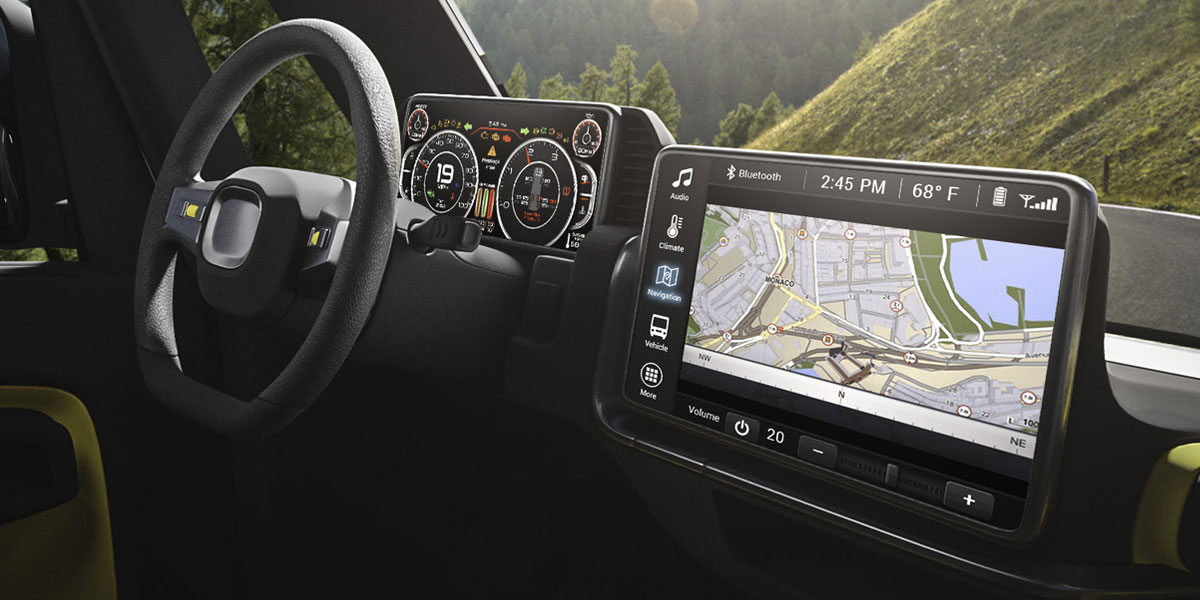
These technologies can help address critical issues like infrastructure gaps, give drivers access to optimised routes and overcome range anxieties
Along with the fast-paced transition towards clean mobility solutions, India is also going through rapid urbanisation. Given the crucial issues of rising air pollution and energy consumption, Electric Vehicles (EVs) do emerge as a promising alternative, but ensuring their optimal growth and adoption also depends on addressing a few key challenges, one of which is optimisation of location-based services for a more sustainable e-mobility ecosystem.
According to a study, location-based services can help transition to electric mobility by addressing crucial issues like infrastructure gaps, data fragmentation, protectionism of charge points owners, limited data sharing, range anxiety, perceptions of performance, reliability on EVs, etc in the ever-changing urban landscape. By adopting such cutting-edge technologies, India can fast track its transition towards a more robust EV ecosystem and also reduce its carbon footprint.
Location-based Technologies That Can Play A Key Role In The EV Landscape
- Global Positioning System: A worldwide navigational system that provides accurate location based on the reception of signals from satellites, helping drivers select optimised routes and navigate to EV charging infrastructure.
- Internet Of Things: This platform helps EVs communicate with charging infrastructure and grid management systems and ensures there is real time data transfer and smart charging, among other services.
- Spatial Data Analysis: The geographic data is used to derive insights to support fleet management, optimise the charger utilisation and grid management, the study
- Geographic Information System: The mapping and spatial analysis of geographic data can be enabled using GIS technology. This helps to identify charging stations, manage the charging infrastructure and optimise energy flows for grid integration, it added.
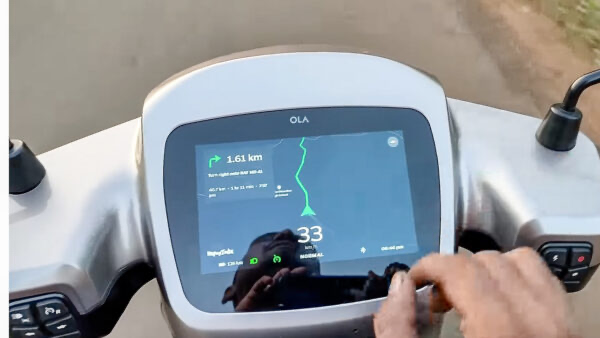 Fig 1: Navigation through GPS in e-two wheeler. Image – MasterMind Tech
What Are The Benefits of Integrating Location-based Technology in Electric Vehicles
Vehicle-related data that is generated and collected through the use of such systems can help manufacturing firms improve EV technology by getting real world driving scenarios, enabling them to optimise various components like batteries, electricals and others, thanks to the data-driven performance analysis of the vehicle.
This apart, once the customers get real time data on the availability of charging infrastructure, they can enjoy seamless charging. By accessing data, customers can also avoid areas which have few or no charging stations, apart from managing their charging expenses, once the Charge Point Operators (CPOs) display their own data, the study noted.
It points out that the data generated through the technologies can also help policy makers design better incentives for increasing the adoption of EVs once they quantify data related to emissions reductions, improvement of air quality index and the techno-economic and environmental impact of EVs.
Way Forward for Location-based Services In The EV Ecosystem
Once these systems are put to use, consumers can get real-time updates about charging infrastructure, and also get over their range anxiety. Therefore it is critical that CPOs provide information about their station’s capacity, type, status, timing and prices that can be accessed by the consumers, the study said.
At the same time, governments also can come out with regulations and guidelines for integration of LBS in EV related systems to ensure data accuracy and interoperability to further enhance user experience. There is also scope of collaboration among various stakeholders to come out with standards for interoperability between different EV charging networks.
The study also advocates the formation of a public application using LBS through which they can get access to various facilities like booking a charging point, check their availability and a host of others. Meaningful insights can be gained once the data is properly analysed which in turn will help make the EV landscape more efficient. It concludes that governments can also support those startups or firms which use LBS for the EV sector by providing subsidies apart from coming out with various campaigns to raise awareness about such systems.
Future Of Electric Vehicles in India
The prospect for EVs in the coming years seems to be promising. The study, quoting a Bain & Co. report, maintains that electric two-wheelers could make up about 40% to 45% of all EVs sold in India, and electric passenger vehicles could make up about 15% to 20% by 2030.
India's EV industry is expected to cross sales of 10 million units by 2030, with an overall adoption rate of more than 30% across different vehicle classes. Given the achievable volumes we expect, the report predicts that India will likely be among the top 10 EV markets globally by 2030.
About the Author


