
Establishing consistent standards for charging infrastructure, simplifying regulatory processes, and offering incentives for both manufacturers and consumers can drive the growth of EVs
India is on the cusp of an electric vehicle revolution. Over the past two years, the country’s EV charging ecosystem has transformed dramatically, with the number of public chargers skyrocketing from a modest 1,800 to an impressive 16,347. This remarkable growth reflects more than just an increase in infrastructure - it signals a shift in consumer mindset, policy priorities, and corporate strategies, all converging towards a cleaner, greener future.
From bustling urban centres to the quieter reaches of rural landscapes, the buzz around electric vehicles is becoming louder and more insistent. But while the journey so far is noteworthy, the road ahead is filled with both exciting opportunities and formidable challenges.
What Are The Factors Driving Electric Vehicle Adoption in India
The evolution of the EV charging system in India has been rapid, driven by various factors, including public sensitization, policy reforms, and increasing interest from both public and private sectors. Public acceptance and adaptation of EVs have significantly improved, thanks to extensive awareness campaigns and the visible benefits of EVs in terms of operational costs. The involvement of Public-Private Partnerships (PPP) and large corporations have further accelerated the growth of the EV ecosystem.
Companies are increasingly investing in charging infrastructure, recognizing the potential of this emerging market. This influx of investment is not only enhancing the availability of chargers but also boosting consumer confidence in the reliability of EVs.
 Fig 1: Sirajuddin Ali, Founder and CEO, Malitra India
The surge in the number of EV users presents a plethora of opportunities for the EV charging ecosystem. One of the key drivers of EV adoption in India is the cost-efficiency of electric vehicles. The Indian consumer’s preference for the least possible operational costs aligns perfectly with the economic benefits offered by EVs. Lower fuel costs and reduced maintenance expenses make EVs an attractive option for cost-conscious buyers.
Furthermore, the growing user base creates a substantial market for innovative solutions and indigenous products. Promoting and supporting local EV manufacturers can lead to the development of cost-effective and technologically advanced EVs tailored to the specific needs of Indian consumers. This not only boosts the domestic manufacturing sector but also reduces dependency on imports.
Electric Vehicle Charging Landscape: Challenges and Opportunities
Despite the promising growth, the EV charging ecosystem in India faces several challenges that need to be addressed to ensure sustainable progress. One of the primary challenges is the limited availability of reliable electrical supply, particularly in rural areas. While urban centres have relatively robust electrical infrastructure, rural regions often suffer from inconsistent power supply. This disparity hampers the expansion of EV charging infrastructure in these areas.
The adaptation of EVs has been predominantly urban-centric, with rural areas lagging behind. The lack of charging infrastructure, coupled with lower awareness levels, contributes to the slow uptake of EVs in rural regions. Bridging this urban-rural divide is crucial for achieving widespread adoption of electric vehicles across the country.
Although the government has implemented various policy reforms to promote EV adoption, there are still regulatory challenges that need to be addressed. Streamlining approval processes, ensuring standardisation of charging infrastructure, and providing clear guidelines for stakeholders can facilitate smoother implementation of EV projects.
To overcome these challenges and create a conducive environment for the EV charging ecosystem, a multi-faceted approach is required. Investing in the improvement of electrical infrastructure, especially in rural areas, is essential. Ensuring a stable and reliable power supply will encourage the establishment of charging stations in these regions.
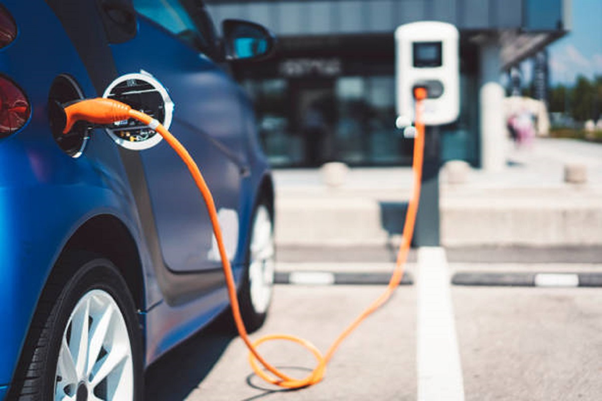 Fig 2: A car at an electric vehicle charging station. Image: iStock
Maintaining the Growth Momentum of EV Charging Ecosystem: The Road Ahead
Government initiatives to upgrade the grid and promote renewable energy sources can play a significant role in addressing this challenge. Targeted awareness campaigns and incentives can help promote EV adoption in rural areas. Collaborating with local authorities and community leaders to educate residents about the benefits of EVs and the availability of charging infrastructure can accelerate the transition.
Additionally, providing financial incentives for setting up charging stations in rural areas can attract private investments. Continued policy reforms are crucial to fostering a supportive environment for the EV ecosystem. Establishing clear and consistent standards for charging infrastructure, simplifying regulatory processes, and offering incentives for both manufacturers and consumers can drive the growth of EVs.
The government’s focus on reducing the upfront cost of EVs through subsidies and tax benefits can further boost adoption rates. Embracing innovative charging solutions can address some of the practical challenges faced by the EV ecosystem. Battery swapping technology, for instance, allows users to quickly replace depleted batteries with fully charged ones, reducing waiting times and space requirements.
Mobile charging units can bring charging facilities to remote areas, ensuring accessibility for all users. Banks and financial institutions play a pivotal role in supporting the EV ecosystem. Providing easy access to credit for EV purchases and infrastructure development can encourage more consumers and businesses to invest in electric vehicles. Financial institutions can also offer specialised loan products and leasing options tailored to the needs of EV buyers.
Technological advancements and innovation are at the heart of the EV revolution. Continuous research and development in battery technology, charging infrastructure, and energy management systems are essential to address existing challenges and enhance the overall efficiency of the EV ecosystem. For instance, advancements in battery technology can lead to the development of high-capacity, fast-charging batteries that reduce charging times and increase the range of electric vehicles. Similarly, smart charging solutions that optimise energy consumption and integrate renewable energy sources can enhance the sustainability of the charging infrastructure.
The government’s commitment to promoting EV adoption is evident through various initiatives and policies. Programs such as the Faster Adoption and Manufacturing of Hybrid and Electric Vehicles (FAME) scheme provide financial incentives for EV buyers and support the establishment of charging infrastructure.
The National Electric Mobility Mission Plan (NEMMP) outlines a comprehensive roadmap for achieving significant EV penetration in the country. Public support and participation are equally crucial for the success of the EV ecosystem. Increased awareness about the environmental benefits of EVs and the long-term cost savings can encourage more individuals to make the switch to electric vehicles. Community engagement and collaboration with non-governmental organisations (NGOs) can further amplify the impact of awareness campaigns.
As India continues its journey towards a sustainable and eco-friendly transportation system, the development of a robust EV charging ecosystem is imperative. The rapid growth in the number of public chargers is a testament to the progress made so far. However, to achieve widespread adoption and create a seamless experience for EV users, concerted efforts from all stakeholders are required.
The government, private sector, financial institutions, and the public must work together to address the challenges and leverage the opportunities presented by the EV revolution. By investing in infrastructure, promoting innovation, and implementing supportive policies, India can pave the way for a greener and more sustainable future.
The evolution of the EV charging ecosystem in India is a promising journey that holds immense potential. With the right strategies and collaborative efforts, the country can overcome the existing challenges and emerge as a global leader in electric mobility. The road ahead may be challenging, but with determination and vision, India can drive towards a cleaner, greener, and more sustainable tomorrow.
Sirajuddin Ali is the founder and CEO of Malitra India

