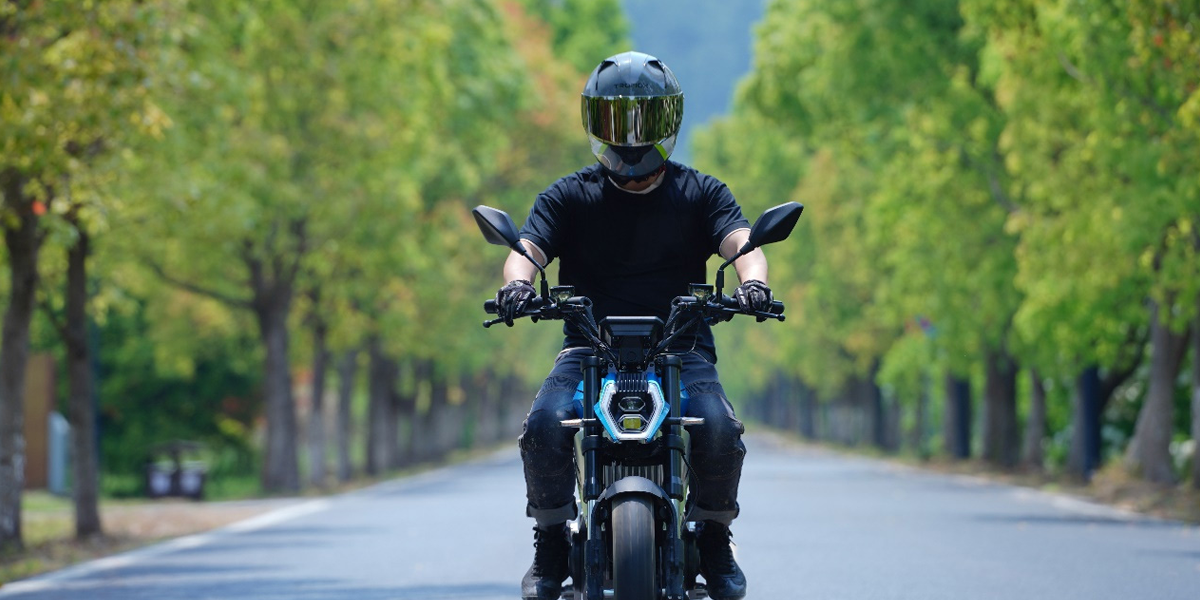
Increased performance, faster charging, longer battery life and reduced maintenance – HV battery technology offers a wealth of benefits that could reshape India’s electric motorcycle market
The future of electric motorcycles in India is being shaped by technological advancements, and one of the most promising innovations is high-voltage (HV) battery technology. While the e-motorcycle market has already gained momentum with the push for sustainable transportation, HV tech has the potential to further revolutionise the E-bike industry.
Offering greater battery efficiency, faster charging, and improved battery life, HV systems minimise heat generation and maximise performance, positioning them as the next big step in transforming electric motorcycles in India into high-performance, reliable alternatives to traditional fuel-powered motorcycles.
What is High-Voltage Technology?
In simple terms, high-voltage technology allows for higher electrical potential, which reduces the need for high current to achieve the same power output. By minimising the current, this approach reduces resistive losses, which directly helps in managing heat, a key challenge for electric vehicles (EVs).
If you’ve ever experienced your mobile or laptop slowing down due to overheating, you’ll understand why minimising heat is crucial for optimal performance. High-voltage systems inherently generate less heat, improving efficiency and performance in electric motorcycles.
 Fig 1: Karthikeyan A, Co-founder and Vice-President, Electronics, Raptee
The Key Benefits of HV Technology for Electric Motorcycles
The adoption of HV technology in electric motorcycles comes with several tangible benefits that makes it worth considering for manufacturers and consumers alike.
- Consistent, Long-Lasting Performance: One of the primary advantages of HV tech is reduced heat generation, leading to minimal power loss. This allows the e-motorcycle to maintain consistent performance for longer durations. Whether you’re commuting through the busy streets of Chennai or enjoying a long ride in the countryside, your motorcycle’s performance will remain stable, giving you confidence and a smooth experience.
- DC Fast charging compatibility: High-voltage (HV) technology enhances DC fast charging compatibility by allowing batteries to handle higher power levels with less heat generation, enabling faster charging times. This reduces charging durations while maintaining safety and efficiency. HV systems also ensure better compatibility with public fast-charging infrastructure, making long-distance travel more convenient for riders.
- Lightweight and Agile Design: Without the need for heavy cooling systems, HV-powered e-motorcycles are significantly lighter. A lighter motorcycle provides better agility, making it easier to handle on congested roads and sharp turns. Plus, the lighter weight means that the motor doesn’t have to work as hard, contributing to better acceleration and power delivery.
- Faster Charging Times: Heat is one of the major limiting factors in battery charging speed. With less heat produced, HV systems enable faster charging times without the risk of overheating. This can significantly reduce downtime, allowing users to get back on the road quickly. In a country where fast-paced lifestyles are the norm, this is a huge advantage.
- Extended Component Lifespan: Lower operating temperatures mean that electronic components and the battery itself undergo less stress. Over time, this leads to a longer lifespan for the entire e-motorcycle system. For consumers, this means fewer replacements and a more reliable investment in the long term.
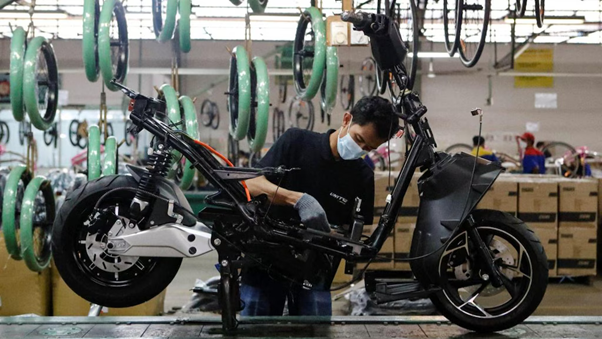 Fig 2: The electric vehicle market's rapid growth is transforming the automotive industry and driving widespread automation. (Image: FE)
Impact on Performance and Range
A high-voltage system doesn’t just reduce heat—it also boosts the e-motorcycle’s performance. The higher voltage allows the motor to draw more power from the battery, delivering quicker acceleration and higher top speeds. For e-motorcycle enthusiasts and daily commuters alike, this provides a performance level comparable to, or even better than, traditional fuel-powered motorcycles.
Moreover, high-voltage systems improve energy efficiency, allowing riders to cover more distance on a single charge. In India, where riders often face long commutes or varied road conditions, the extended range offered by HV technology could significantly improve the practicality and convenience of owning an electric motorcycle.
Challenges of High-Voltage Systems
Adapting high-voltage (HV) technology from cars to motorcycles presents several challenges, starting with the need to redesign the systems to maintain the same safety standards within the smaller, more dynamic motorcycle format. Ensuring that high-voltage components like batteries and powertrains remain safe in a compact space while adhering stringent safety regulations are complex.
Additionally, manufacturers face the challenge of keeping costs affordable, as HV tech typically involves expensive materials and advanced engineering, making it harder to balance affordability with performance. Another significant hurdle is developing smaller subsystems with higher power density, as motorcycles have limited space for components like batteries and controllers. This requires innovations in compact, high-efficiency power storage and distribution, which demands considerable R&D investment.
The Future of E-Motorcycles in India with HV Technology
As car electrification has accelerated globally, largely due to the adoption of HV technology, the same is expected for the electric motorcycle market. The performance, stability, and reliability offered by high-voltage systems will enable electric motorcycles to deliver consistent speed, acceleration, and range that rival traditional fuel-powered motorcycles. In a country as diverse as India, where consumers prioritise both performance and practicality, the adoption of HV technology could unlock new possibilities for electric motorcycle manufacturers.
Conclusion: The Time is Now
High-voltage battery technology offers a wealth of benefits that could reshape India’s electric motorcycle market. From increased performance and faster charging to longer battery life and reduced maintenance, the potential is enormous. Although there are challenges in cost, infrastructure, and training, the long-term advantages of HV systems far outweigh these hurdles. For companies looking to stay ahead of the competition and consumers seeking a reliable, high-performance ride, high-voltage e-motorcycles are the future.
India is on the cusp of an electric revolution, and with HV technology, we can power ahead into a cleaner, faster, and more efficient future.
Karthikeyan A is the Co-founder and Vice-President, Electronics, Raptee

