

As the world grapples with the impacts of climate change, financing retrofitted EVs represents a vital step towards adaptation and progress
India today is on the cusp of a remarkable transformation in its automotive industry, driven by the rising adoption of electric vehicles (EVs). From my vantage point, I have witnessed the dynamic progression of the EV industry, from its nascent stages to a pivotal milestone last year when India saw EV sales surpassing one million units. This achievement underscores the robust growth and immense potential of the sector. Concurrently, the journey of financing EVs in India is gaining momentum, and the strides made along with the potential for future growth are undeniable.
Emerging Segment: Retrofitting EVs
The global shift from internal combustion engine (ICE) vehicles to electric vehicles is gaining pace gradually. Retrofitting existing ICEs to electric offers yet another option as a viable solution to expedite this transition. Presently, the retrofitting market is in its infancy, brimming with potential yet impeded by notable gaps and challenges. Chief among these are high conversion costs, lack of standardised technology, and a scarcity of skilled technicians.
Despite these hurdles, the opportunities within the retrofitting sector are substantial, offering a sustainable and cost-effective pathway to reduce carbon emissions and extend the lifespan of existing vehicles. As governments and industry stakeholders increasingly adopt green initiatives, the retrofitting sector can benefit from policy incentives, technological advancements, and heightened consumer education and awareness. This convergence would make retrofitting a critical area for investment and development in the pursuit of sustainable transportation.
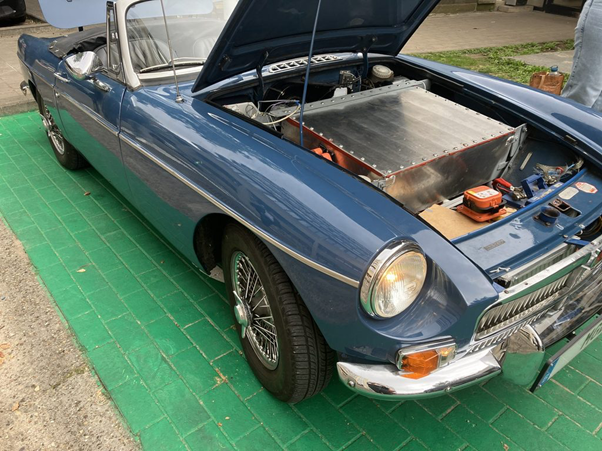 Fig 1: A retrofitted MGB. Pic Credit: Lauren Walker/ The Brussels Times
Market Landscape
Estimates suggest, India requires an annual investment of Rs 11 lakh crores (USD 170 billion) of green finance to fulfil its Nationally Determined Contributions (NDC) – focusing on clean energy, clean transport, and energy efficiency.
If we look at electric two-wheelers in India, the fastest growing segment in the country will require EV financing of around Rs 15,000 crores, as per projections of NITI Aayog, to reach an estimated market size of approximately Rs 40,000 crores by 2026. This anticipated growth underscores the opportunities within the EV financing sector, aligning with the broader trend of vehicle electrification.
Challenges in Financing Retrofitted EVs
Lack of Standardisation and Related Costs: The higher upfront cost of EVs compared to traditional vehicles has traditionally deterred many potential buyers. Retrofitting existing ICE vehicles can help alleviate this issue by utilising current assets and reducing the need for new vehicle purchases. However, the retrofitting process itself necessitates substantial investment, which can pose a barrier without suitable financing solutions.
Perception and Awareness: For many, EVs have yet to become the go-to choice for mobility. This perception gap affects the people’s willingness to consider and invest in electric vehicles, including retrofitted options. Therefore, significant consumer education initiatives are crucial for retrofitted EVs, which represent an entirely new platform.
Financing Options: Traditional financing models often fall short for EVs due to their unique characteristics. Developing tailored financial solutions that address the specific needs of EV buyers is essential. This includes innovative loan structures, leasing options, and subsidies to ease the financial burden on consumers.
 Fig 2: Sameer Aggarwal, CEO of Revfin
Addressing Financing Challenges for retrofitted EVs
For retrofitting to capture the necessary mindshare, collaboration between government and industry in developing quality assurance measures, subsidies, incentives, and public-private partnerships will be the key.
Investment in R&D: Investment in research is vital to enhance the technological capabilities and safety standards of retrofitted vehicles. Public awareness campaigns can help dispel scepticism and encourage consumers to consider retrofitted EVs as a viable option.
Public-Private Partnerships: Encouraging investments in the retrofitting sector through public-private partnerships can accelerate the development of necessary infrastructure and financing models. These partnerships can help scale up the retrofitting ecosystem, making it more accessible and affordable.
State-Level Policies: State-level policies are crucial in facilitating the adoption of retrofitting. Implementing nationwide pilot programs to demonstrate the feasibility and benefits of retrofitting, particularly in commercial applications, is essential.
A Commitment to a Sustainable Future
Financing retrofitted EVs offers a practical and immediate pathway to reduce emissions and transition to electric mobility, aligning with India’s climate action goals. By addressing financing challenges head-on, India can accelerate the adoption of EVs, contribute to a greener future, and demonstrate its commitment to environmental stewardship.
As the world grapples with the impacts of climate change, financing retrofitted EVs represents a vital step towards adaptation and progress. It embodies the principles of sustainability, paving the way for a resilient and energy-efficient transport sector that benefits both current and future generations.
Sameer Aggarwal is the CEO and Founder of Revfin
About the Author


