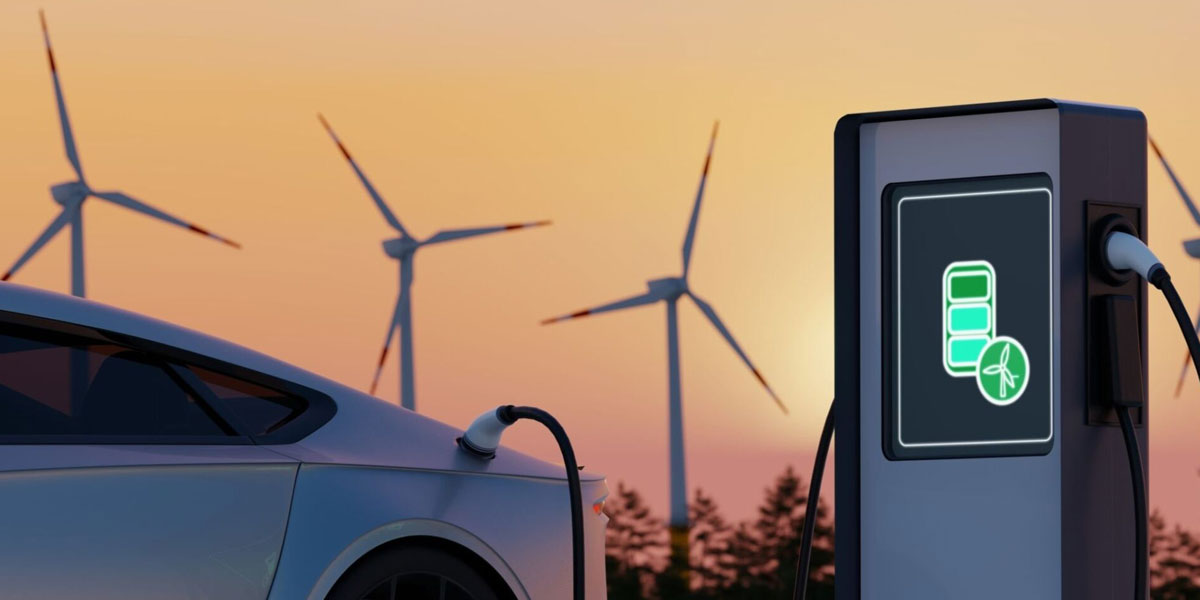
As the world transitions towards sustainable transportation solutions, the synergy between tech and automotive industries is poised to shape the future of electric mobility
The electric vehicle market has grown so strongly in the last decade that it has attracted big names from other segments as well – including consumer electronics. The interest is not surprising as EVs today come fitted with a bevy of electrical hardware that provide the owner the best in connectivity to the internet, real-time performance figures and creature comforts within the cabin that are fully electronically controlled. The space is therefore ideal for consumer electronics giants to showcase their expertise and even bring in innovations developed specially for automobiles.
This article examines the steps explored by the biggest players in consumer electronics towards e-mobility:
- Samsung's strategic investment: Electronics giant Samsung has ventured into EV-related companies for battery manufacturing (such as with Stellantis and GM) and in autonomous driving technology with its $300 investment in Harman’s Connected Car division. The investments are aimed at building Samsung’s capacity to diversify out of its core business of consumer electronics and offer products in the semiconductor space as well.
- Xiaomi's Smart Mobility Push: The Chinese smartphone manufacturer Xiaomi is also making strides in the electric vehicle sector. In March 2021, Xiaomi announced a $10 billion investment over the next 10 years to venture into smart electric vehicles and it has received the go-head from China’s National Development and Reform Commission (NDRC). The company, known for its affordable and feature-packed smartphones, aims to bring its expertise in smart technology to the automotive industry.
- Sony's Vision-S: Sony, primarily known for being one of the biggest manufacturers of consumer electronics and gaming products, surprised the world when it unveiled the Vision-S prototype at the Consumer Electronics Show (CES) in 2020. The prototype was never intended to go into production but Sony and Honda have since announced a joint venture to launch the Afeela brand of electric cars. Sony is not traditionally a mobile company but its expertise in sensor technology and music and entertainment systems will be showcased in the car that is slated to be launched in 2026 with the US receiving the first units.
 Fig. 1: Sony’s Vision S concept car was unveiled at CES 2020 but was never intended to go into production | Image: Dezeen
 - OnePlus and Oppo's Joint Venture: Mobile manufacturers OnePlus and Oppo, both under the umbrella of BBK Electronics Corporation, have announced a joint venture named "EV1" to develop electric vehicles. The collaboration aims to combine OnePlus' technology prowess with Oppo's manufacturing capabilities to create electric cars that prioritise user experience and technological innovation. This joint venture highlights the synergy that can be achieved by merging the strengths of different mobile companies within the same corporate family.
- Google's Waymo: While not traditionally a mobile company, Google, through its subsidiary Waymo, has been a pioneer in autonomous driving technology. Waymo's self-driving cars have been on the roads for several years, accumulating vast amounts of data and experience. As Google continues to refine its autonomous driving technology, it lays the groundwork for a potential entry into the electric vehicle market, aligning with the broader trend of technology companies entering the automotive space.
- Huawei: The telecom giant has partnered with Chongqing Sokon Industry Group to develop EVs under the AITO brand. Huawei's strength in 5G technology and smart car solutions could give AITO a competitive edge.
Notable mention: Apple
 Fig. 2: An AI rendering of Apple’s electric car; the project has been cancelled | Image: Morocco World News
Rumor’s around Apple’s electric car first surfaced in 2014. Codenamed “Project Titan”, the project was supposedly looking to develop a high-end electric car that would integrate Apple’s devices with the car’s electronics for a seamless user experience. The car was also expected to be pricey, feature some level of autonomous driving and the firm was rumoured to be in talks with Austria’s Magna Steyr to build the car. However, as of now the project has been cancelled.
The entry of mobile companies into the electric vehicle market signals the inevitable shift in the automotive industry. The new entrants bring with them vast expertise in electronic interfaces, user-centric design philosophies and their design principles will likely focus on sustainability. The integration of smart technology, (wireless) connectivity and autonomous features promises to redefine the car driving experience.
As the world transitions towards cleaner and more sustainable transportation solutions, the synergy between mobile and automotive industries is poised to shape the future of electric mobility. It remains to be seen how these tech giants will navigate the complexities of the crowded automotive market, but their entry adds an exciting dimension to the shift in mobility.

