

The integration of rooftop solar and EVs offers a transformative path toward energy independence by reducing reliance on imported fuels and strengthening energy security
Rapid urbanization, industrial growth, and rising vehicular traffic since the 1990s have affected the air quality, placing India among the most polluted countries globally. The 2023 AQI+ rankings underscore this reality, with India ranked 3rd for air pollution. As climate change exacerbates erratic weather and unseasonal heat, the urgency to achieve net-zero emissions has never been greater to combat both air pollution and global warming.
The transportation sector, which is the second-highest emitter of CO2, contributing almost 23% of global CO2 emissions, plays a significant role in India's air quality challenges. While it represents 5% of India's Gross Value Added (GVA), it accounts for 12% of CO2 emissions from energy use. The transition to electric vehicles (EVs) offers a viable solution by eliminating tailpipe emissions and improving air quality.
Government Interventions To Fastrack Electric Vehicle Adoption in India
The Government of India has outlined a focused vision to advance zero-emission technologies in transportation, with EVs at the core. The recently approved PM E-DRIVE Scheme, backed by Rs 10,900 crore, builds on this commitment. With over 1.2 million EVs sold in FY24 and a steady rise in market penetration, the country is transitioning to sustainable mobility.
India’s energy transition is progressing rapidly, with a clear vision to achieve net-zero emissions by 2070 and meet 50% of its electricity needs from non-fossil sources by 2030. Solar energy has been at the forefront of this transformation, growing at a CAGR of 36.5% and contributing significantly to the country’s total renewable energy capacity, which has now surpassed 200 GW. As investments in clean energy, including EV integration and solar power expansion, continue to rise, the synergy between renewable energy and transportation is poised to drive significant reductions in carbon emissions and enhance the country’s energy security.
The PM Surya Ghar Muft Bijli Yojana marks a transformative step in India’s renewable energy journey, targeting the installation of subsidized rooftop solar systems in 1 crore households. By offering up to 60% subsidies for systems up to 2 kW and 40% for systems between 2 and 3 kW, the scheme addresses financial barriers, especially in rural and semi-urban areas.
These installations empower households to generate clean electricity for their use or sell excess power back to the grid. Initiatives like the Model Solar Village are ensuring solar adoption even in remote regions, fostering inclusive growth. With a record 1.9 GW of rooftop solar capacity installed in the first nine months of 2024, states like Gujarat, Maharashtra, and Rajasthan are leading the charge, contributing 29%, 14%, and 7%, respectively.
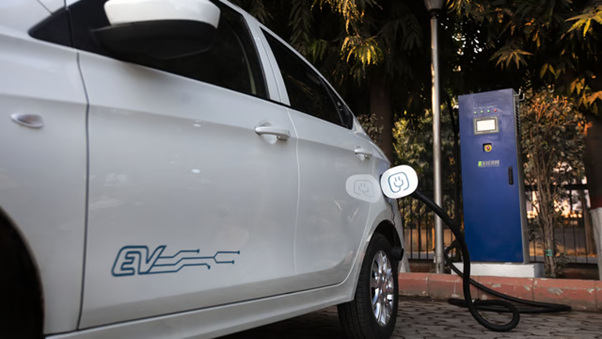 Fig 2: About 10-15% of Tata Motors' EV customers had rooftop solar in FY24. Image: Sanjay Rawat
Rooftop solar systems offer immense potential for EV owners by providing low-cost, zero-emission power. A typical 3-5 kW residential rooftop setup can generate 10-15 kWh of electricity daily — enough to power 2,000-3,000 km of driving per month in a mid-sized EV. This exceeds the average driving needs of most Indian car owners, making rooftop solar an economically and environmentally superior alternative to fossil fuels. The combination of solar rooftops and EVs not only reduces operational costs but also enables households to play a direct role in India’s transition to sustainable energy.
Integrating EVs with rooftop solar further enhances financial viability by accelerating the payback period for solar investments. As highlighted by the Household Consumption Expenditure Survey 2023, household transportation expenses often surpass fuel and lighting costs. Rooftop solar systems, when paired with EVs, address both cost categories through a unified solution, creating a compelling economic case for adoption. This dual benefit is particularly significant for households in rural and urban areas, where transportation and electricity costs constitute a major portion of monthly expenditures.
The integration of rooftop solar and EVs offers a transformative path toward energy independence by reducing reliance on imported fuels and strengthening energy security. This synergy not only lowers the total cost of EV ownership for consumers but also accelerates the adoption of sustainable mobility. Collaborative efforts from policymakers, industry leaders, and consumers, supported by subsidies and advancements in technology, will be essential in helping India achieve 100% zero-emission vehicles by 2040.
Balaje Rajan, Chief Strategy Officer, Tata Motors Passenger Vehicles Ltd. and Tata Passenger
About the Author


