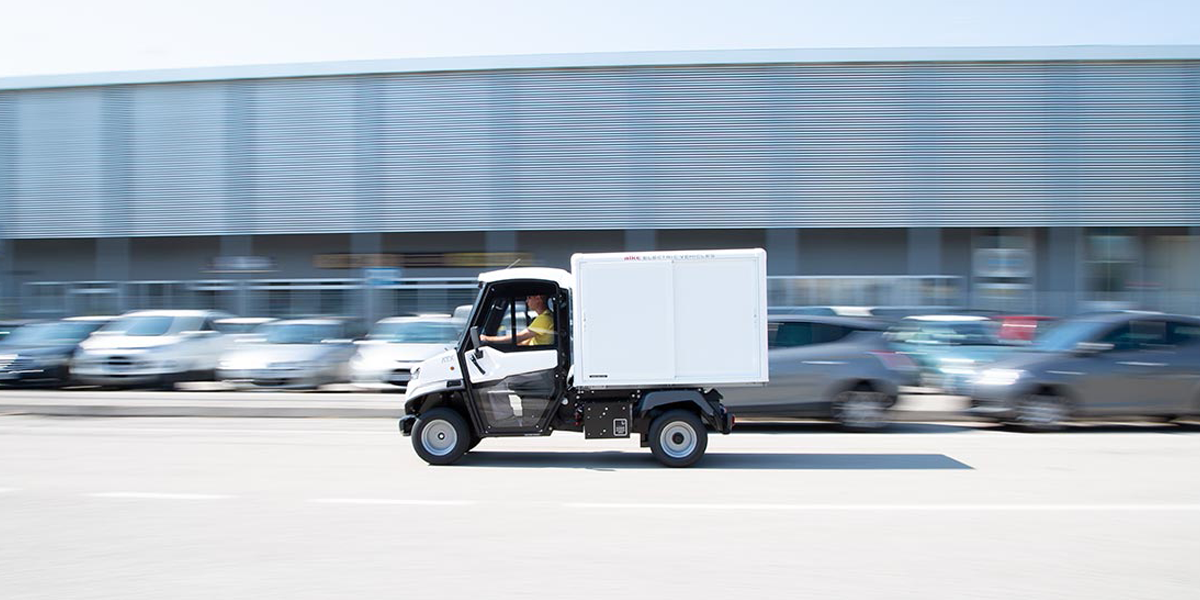

Electrifying commercial fleets is not just an environmental imperative, but a strategic economic engine for India’s urban future
As India strives to achieve a net-zero economy by 2070, tackling air pollution and reducing carbon emissions is critical. Rapid urbanisation is driving the growth of various sectors, including e-commerce, pharmaceuticals, FMCG, and FMCD. This translates to a significant increase in commercial vehicles on city roads.
These vehicles, crucial for the supply chain and economic activities, are predominantly powered by fossil fuels and contribute disproportionately to the environment despite making up a small percentage of all vehicles on the road. This necessitates a swift transition to electric commercial vehicles to address environmental concerns and create a sustainable future. To make a significant dent in these emissions, a targeted approach is essential.
Why is it crucial to prioritise commercial vehicles in the transition to electric mobility?
- High Utilisation: Unlike private vehicles, commercial fleets operate for extended periods and cover greater distances, making them prime targets for emission reduction strategies.
- Economic Viability: The tide is turning on the total cost of ownership (TCO) for electric commercial vehicles. The possibility of electric light commercial vehicles (e-LCVs) achieving cost parity with diesel counterparts in India is being driven by factors like fuel savings, lower maintenance costs, and government incentives.
- Infrastructure Synergies: Cities are ideal launchpads for EV infrastructure due to concentrated delivery routes and return-to-base operations of commercial fleets. This facilitates efficient charging schedules and maximises charging station utilisation, addressing concerns of reliability and safety often associated with EVs.
Having established the critical role of commercial vehicles in tackling emissions, the next step is outlining a roadmap to achieve widespread adoption of electric commercial vehicles in India. This requires a multi-pronged approach involving strategic policy measures, industry collaborations, and technological innovation.
 Fig 1: Maxson Lewis is the founder and CEO of Magenta Mobility
Key Measures for a Successful Transition of Commercial Vehicles
Policy and Incentives: Building on the success of FAME-II, the government can create a long-term incentive structure favouring fleet operators. This could involve expanding FAME-style subsidies specifically for commercial electric vehicles (CEVs), with clear criteria for eligibility. A stable policy framework that incentivizes replacing polluting vehicles with electric alternatives will encourage long-term planning and investments in CEV fleets, accelerating sustainable transportation adoption.
Innovative solutions like solar-powered charging infrastructure are crucial for a sustainable e-mobility ecosystem. Additionally, dedicated EV lanes and preferential parking in urban logistics zones will incentivize fleet operators and contribute to cleaner urban environments.
Public-Private Partnerships: Collaboration between government bodies, private companies, and financial institutions can accelerate infrastructure development. Replicating successful models like Energy Efficiency Services Limited’s (EESL) bulk procurement for government EVs can drive down costs and ensure steady demand in the commercial sector.
Technology and Innovation: Artificial Intelligence (AI) can significantly enhance CEV fleet operations. Intelligent route planning that considers real-time traffic, weather, and vehicle capacity ensures efficient deliveries. Additionally, AI can analyse driver behaviour to recommend eco-friendly practices, maximising battery range and minimising energy consumption. Predictive diagnostics help identify maintenance needs early, reducing downtime and ensuring vehicle safety and reliability.
Advanced telematics provide real-time tracking and monitoring, optimising logistics and reducing operational costs. Increased Research and Development funding can lead to breakthroughs in battery technology, resulting in lighter, safer, and more efficient batteries produced in India. This directly translates to lower operating costs, extended range, and improved performance for CEVs.
Awareness and Training: Widespread education and training are paramount for a smooth transition to electric commercial vehicles. This includes businesses, fleet operators, and drivers. Educational programs can showcase the environmental and economic benefits of CEVs, while training programs can equip participants with the knowledge and skills to operate and maintain these vehicles effectively.
Training should focus on areas like EV maintenance, energy management practices to maximise battery range, and safe driving techniques specific to CEVs. This comprehensive approach will ensure sustained adoption of CEVs across different stakeholders in the transportation sector.
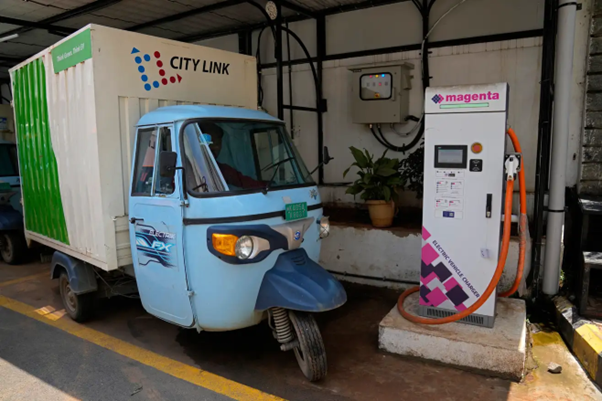 Fig 2: Electric three-wheeler commercial vehicle. Image credit: Associated Press
The Business Case for Electrification
Transitioning to electric commercial vehicles is not just environmentally responsible, it is a strategic economic decision for businesses:
- Cost Savings: Reduced fuel and maintenance translate to significant savings. Studies suggest that CEVs can be more cost-effective than traditional diesel vehicles over their life cycle due to factors like lower fuel and maintenance costs. Smart charging infrastructure and energy management can further enhance these savings and optimise energy use, leading to a more sustainable operation.
- Brand Value and Compliance: By adopting EVs, companies demonstrate a commitment to sustainability, enhancing their brand value. Additionally, with stricter emission regulations on the horizon, early adopters will be better positioned to comply, avoiding potential penalties and disruptions.
- Operational Efficiency: Advanced telematics in electric commercial vehicles provide real-time data on vehicle performance, route efficiency, and driver behaviour. Leveraging this data optimises logistics operations, leading to reduced downtime and increased productivity.
These intelligent insights can also be used to implement driver training programs that promote safe driving practices and maximise battery range, further enhancing operational Efficiency.
Electrifying commercial fleets is not just an environmental imperative, but a strategic economic engine for India’s urban future. Cleaner air, lower operational costs, and a safe, smart, and sustainable future for businesses and cities are all within reach. By fostering collaboration between policymakers, industry leaders, and technology innovators, India can pave the path towards a cleaner, more efficient transportation ecosystem, propelling the nation towards its net-zero goals.
Maxson Lewis is the founder and CEO of Magenta Mobility
About the Author


