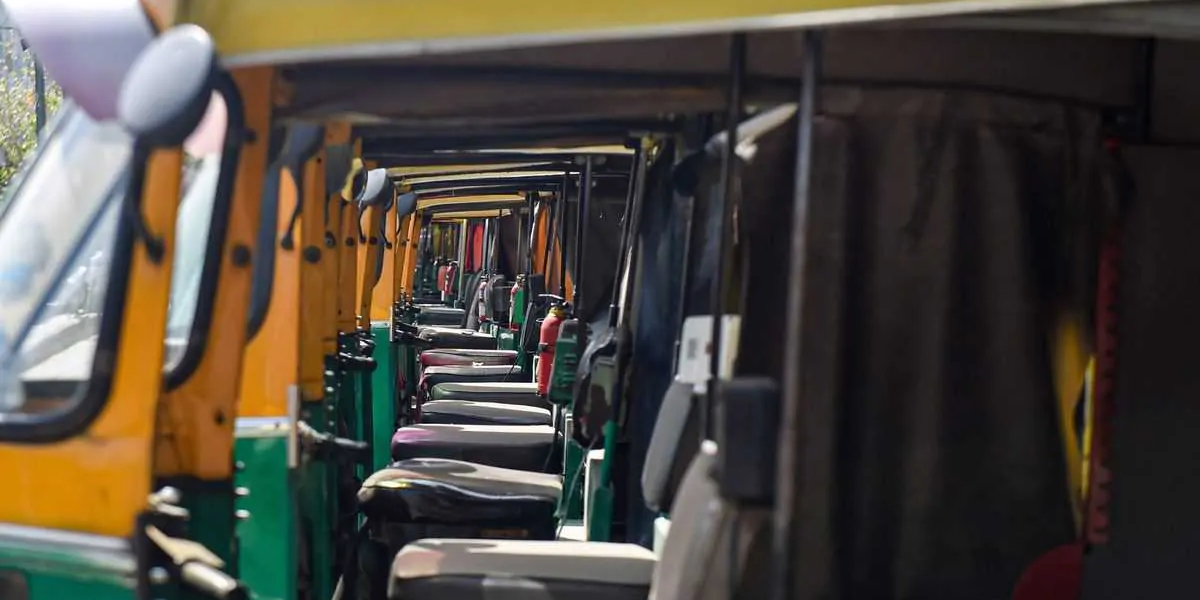
To streamline retrofitting of ICE autos to electric, the state should prioritise fiscal incentives, streamline state processes, facilitate affordable financing, and address regulatory challenges
Surging ahead on its e-mobility journey, India has surpassed China to become the biggest market of electric three-wheelers globally, recording a sales figure of over 5,80,000 in 2023. But India’s success story seems to have just started. Reports project e-auto sales in the country to reach 1,80,000 units per month by December 2030.
But a daunting task lies ahead as the majority of the auto rickshaws plying across India currently still run on Internal Combustion Engines (ICE) or use hybrid combinations, making it crucial to fast track their transition to electric. However, rising urbanisation and the search for sustainable transport solutions, have made state governments think out of the box and come out with transformative solutions to enable this switch and reduce emissions.
Apart from pushing adoption of e-autos, the Telangana government has also come out with an innovative initiative that puts forward the vision of transforming these auto rickshaws to electric vehicles through retrofitting, thus switching from having emission heavy vehicles to eco-friendly and cost-effective mode of transportation. Let us take a closer look at the comprehensive framework developed by the state, explore its key highlights and look at the path ahead to further strengthen the initiative.
An analysis of the state government’s initiative done by Natural Resources Defense Council (NRDC) found that the total number of vehicles in Telangana exceeds 16 million – both conventional and electric vehicles, as on November 30, 2023, with auto rickshaws constituting 3% of it. Out of the total registered vehicles, there are 1,07,078 electric light-duty vehicles. Of all auto rickshaw registrations recorded in Telangana between 2019 and 2023, merely 0.92% are electric -powered, it found.
These autos run on various fuel types – starting from petrol, diesel, CNG, LPG, and battery to hybrid combinations such as CNG-petrol, petrol-electric, and petrol-LPG, as well as diesel-LPG. The Telangana government has come out with comprehensive guidelines for the implementation of its EV policy which spells out roles retrofitment of these autos by the state’s Road Transport Authority.
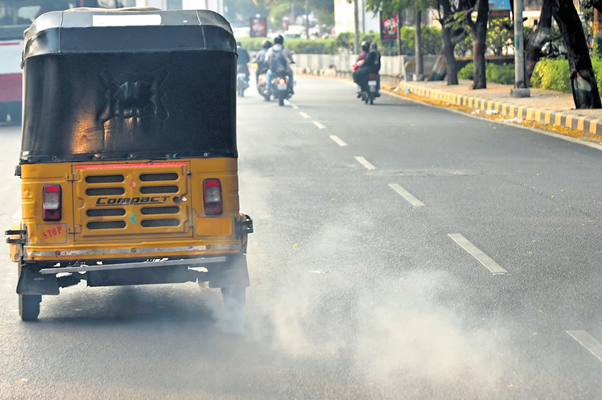 Fig 1: An auto emitting smoke in Hyderabad Photo | Sri Loganathan Velmurugan, EPS
What is Process of Retrofitting a Vehicle in Telangana
- Retrofit kit manufacturers: According to the state government’s guidelines, those manufacturing these kits need to register with the Transport department by submitting a “type approval” certificate from an authorised testing agency. Once that is done, they can log on to the Citizen Friendly Services Telangana (CFST) portal to enter the inventory details, the analysis said.
- Owner of Auto Rickshaws: Those wanting to retrofit their ICE autos have to present their vehicles to the transport department once the kit is fitted for inspection. Following the inspection, officials select the apt make and serial number from the CFST portal master list and issue a new registration certificate with the same number but with a green number plate.
- Acquiring Permits: There are no fixed numbers on the number of ICE autos undergoing retrofitting with the Greater Hyderabad Municipal Corporation (GHMC) limits. But only the initial 250 retrofitted autos within GHMC limits are eligible for incentives provided by the government.
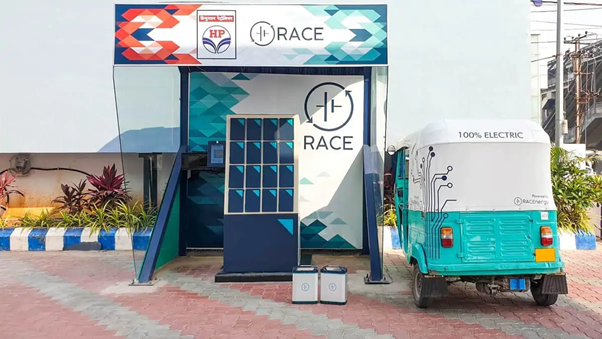 Fig 2: A battery retrofitted auto by RACEnergy. (Photo: Siasat)
Retrofitting of Auto Rickshaws: The Future Outlook for Telangana
The analysis stressed that Telangana State Renewable Energy Development Corporation (TSREDCO) can play a central role in overseeing the implementation of various pilots. Some key measures highlighted by the analysis to operationalise such pilots include:
- Strict empanelment criteria: The analysis calls for collaboration between TSREDCO and the RTA to come out with strict criteria for empanelment to ensure smooth after-sales services for auto drivers, that include mandatory warranty provision by providers for a fixed term.
- Tenders: TSREDCO can take the competitive tender route to procure kits from OEMS to ensure transparency and ensure healthy market competition. This will also help TSREDCO reduce the cost, found the analysis.
- Exploring Finance Options/Subsidies: The current Rs 15,000 subsidy that is mandatorily provided for retrofitment of autos can be increased to rs 25,000, thus reducing upfront cost and encouraging auto owners to undergo this transition. Further collaboration with financial institutions for affordable financing can also be explored, the analysis recommended.
- Collaboration between Battery Swapping providers and OEMs: Such collaborations can help bring down the upfront cost associated with fixed battery models, it noted.
About the Author


